How to Choose the Best Cable Labeller for Your Needs?
Choosing the right Cable Labeller can be overwhelming. With so many options available, it’s crucial to find one that fits your specific needs. A good labeller should enhance your organization and efficiency, especially in environments like offices or workshops.
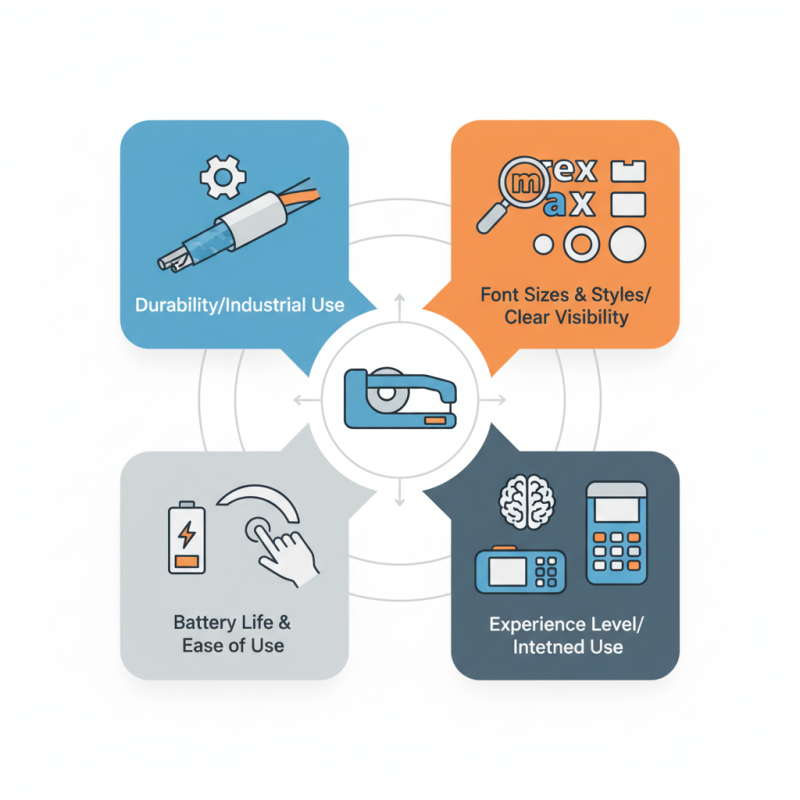
Consider the features that matter most. Durability may be essential for industrial use. You might need a model that offers various font sizes and styles for clear visibility. Battery life and ease of use also play significant roles in your decision-making process.
Remember, not every Cable Labeller is suitable for every user. Think about your experience level and intended use. Some devices are simple and user-friendly, while others might come with advanced features that could seem daunting. Reflect on what you truly need, and prioritize those features for optimal performance.
Understanding Your Cable Labelling Needs
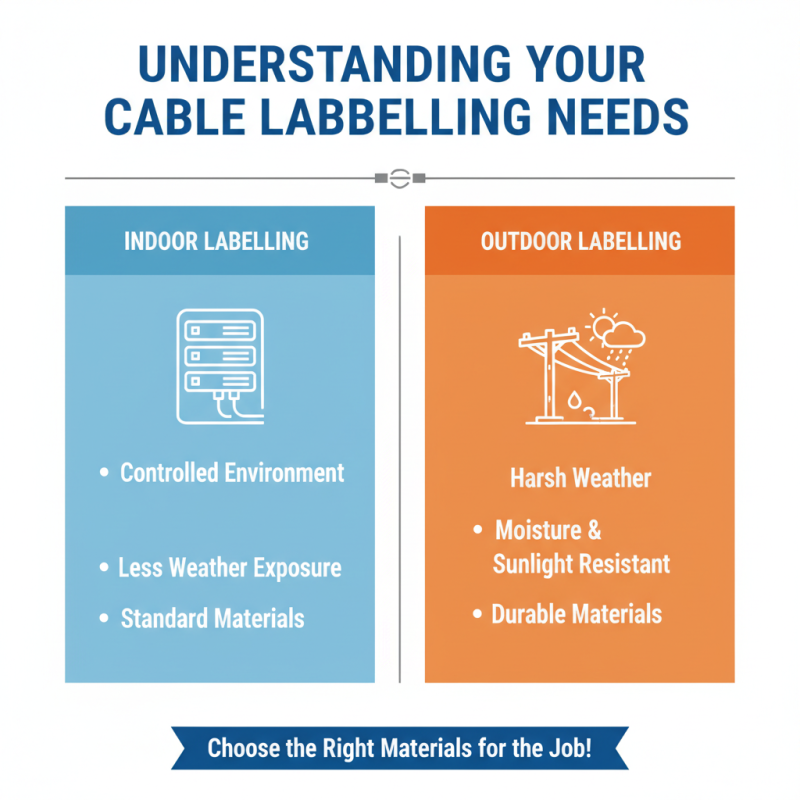
When selecting a cable labeller, it’s essential to understand your specific needs. This includes the types of cables you work with and the environment in which you will be labelling. For instance, are you labelling in a controlled indoor setting or a bustling outdoor area? Each circumstance may require different materials. Indoor labels might not need to withstand harsh weather, while outdoor labels should be durable against moisture and sunlight.
Consider your scale of operation. If you're managing a small project, a simple, manual labeller may suffice. However, larger operations could benefit from advanced features like automatic feeding and cutting. Higher volumes could lead to inefficiencies without appropriate tools. It’s also crucial to think about usability. User-friendliness can save time and ensure accuracy. Some models may seem complex, which can lead to frustration.
Lastly, reflect on future needs. Will your requirements change over time? A model that accommodates various label sizes and styles can provide flexibility. A labeller that only meets your immediate needs may become outdated quickly. A well-selected cable labeller will enhance your work efficiency and maintain organization over the long term.
Types of Cable Labellers Available on the Market
When selecting a cable labeller, understanding the types available is crucial. There are several categories to consider.
Handheld labellers are portable and user-friendly. These devices are ideal for small projects or home use. Their flexibility allows for easy labeling in tight spaces.
On the other hand, industrial labellers are designed for larger operations. They often feature advanced printing technologies and faster production rates. These labellers can handle various label materials and sizes, making them suitable for complex tasks. Additionally, some models are equipped with software integration, enhancing workflow efficiency.
Moreover, there are specific labellers tailored for unique needs. For example, heat-shrink labellers are beneficial in environments subject to harsh conditions. They provide durability and resilience that standard labels may lack. Reflecting on your precise labeling requirements can help inform your choice. Consider the scale of your projects and the environments they will serve. Each type of labeller has strengths and weaknesses that warrant careful evaluation.
Key Features to Look for in a Cable Labeller
When selecting a cable labeller, understanding key features is crucial. The right labeller can enhance organization in a workspace. Look for a model that offers a variety of label sizes. This flexibility allows you to label cables of different thicknesses and lengths effectively.
Consider whether the labeller has a backlight display. This feature makes it easier to read labels in dim lighting. A good labeller also lets you choose font styles and sizes. Customization helps differentiate between various cables.
Tips: Always check the ease of use. A complicated interface can slow your work down. Battery life is important too. Choose a labeller that runs for extended periods without frequent battery changes.
Reflect on what you need most. Will a portable option work better for your projects? Sometimes, a basic labeller meets all requirements without extra features. Think about how often you'll use it and for what purposes. This will guide you in making the best choice for your needs.
Comparing Cable Labeller Brands and Models
When considering a cable labeller, evaluating different brands and models is essential. The market is filled with diverse options catering to various needs. A recent industry report highlighted that 75% of professionals prioritize durability in their labellers. It's crucial to have a labeller that withstands varying work environments. Features like temperature resistance and robust design significantly affect longevity.
Brands often propose unique features, such as connectivity options and labeling speed. Research indicates that high-speed labellers can increase productivity by 40%. Ensure that the model's specifications align with your labeling volume and complexity. This will help you find a labeller that meets your efficiency requirements.
Tip: Look for user reviews and testimonials online. Experienced users provide valuable insights into real-world applications. Sometimes, what looks good on paper may not perform well in practice.
Tip: Always consider the replacement cost of labeling supplies. Choosing models with cost-effective long-term solutions can save money over time. Remember that a seemingly affordable option may lead to higher total costs. It may require careful analysis to find the right fit.
Budget Considerations when Choosing a Cable Labeller
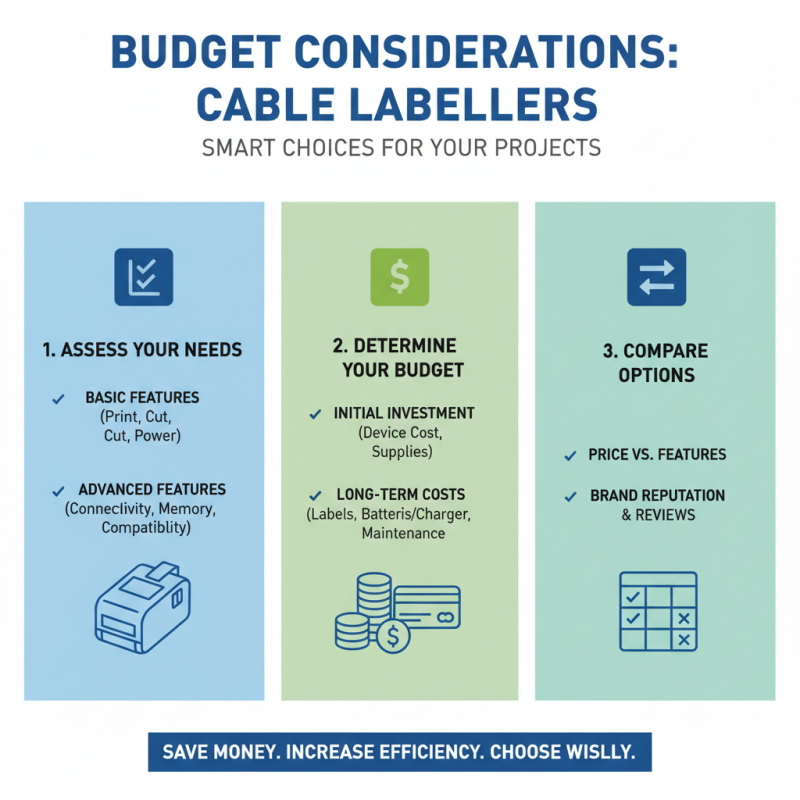
Choosing the right cable labeller can greatly impact your projects. When considering a labeller, budget plays a crucial role. Many models vary significantly in price, which can make decision-making difficult. Assessing your budget helps narrow down options. Look at the basic features you need versus what you can afford.
Investing in a budget-friendly labeller can be tempting. However, cheaper models might lack essential features. They could offer limited functionality, which means more time spent on tasks. Consider the long term—will a slightly higher expense save you frustration down the line?
Think about the materials you will label. Some labellers perform well on various surfaces, while others do not. Read reviews and seek advice from professionals in the field. Gathering opinions can provide deeper insight into which models offer reliable performance. Don't rush; take time to weigh the pros and cons of your choices.

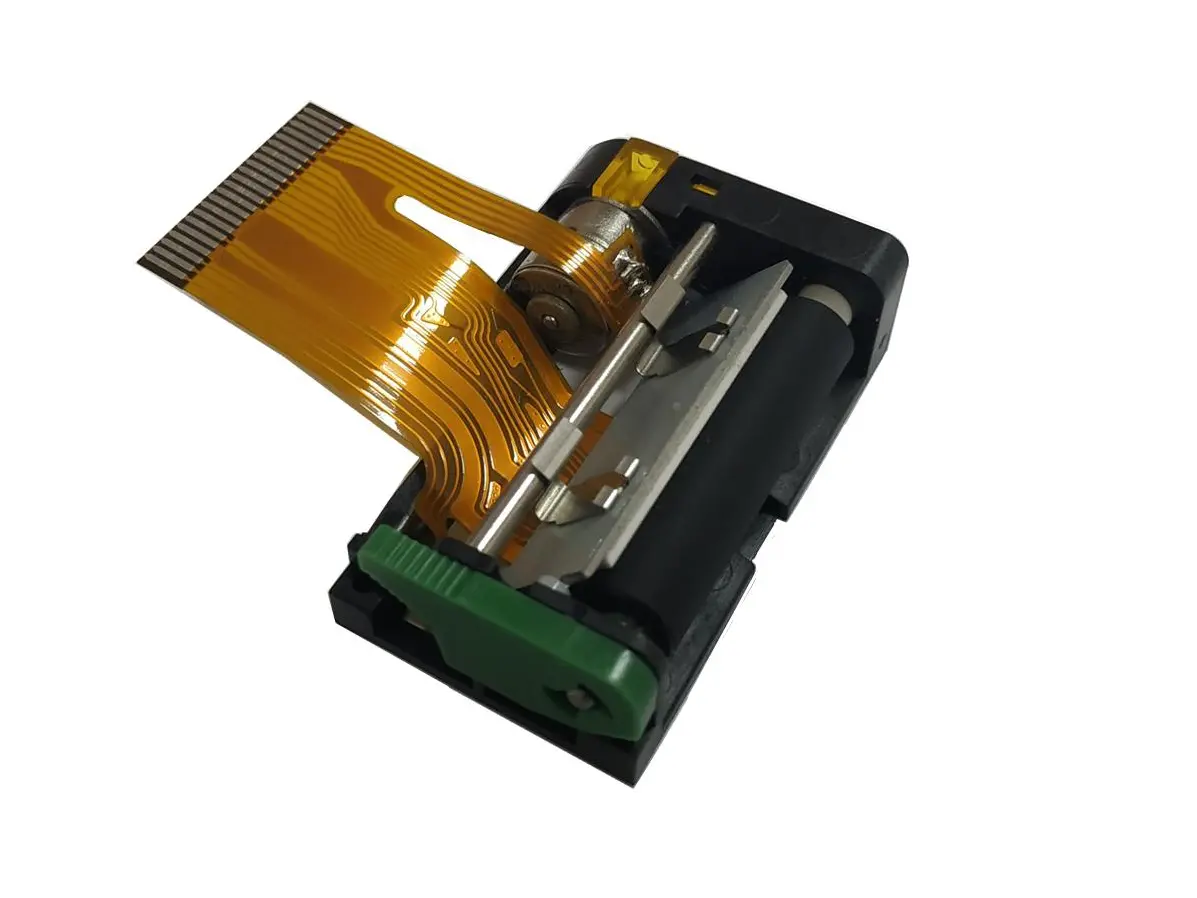 1 inch thermal printer mechanism
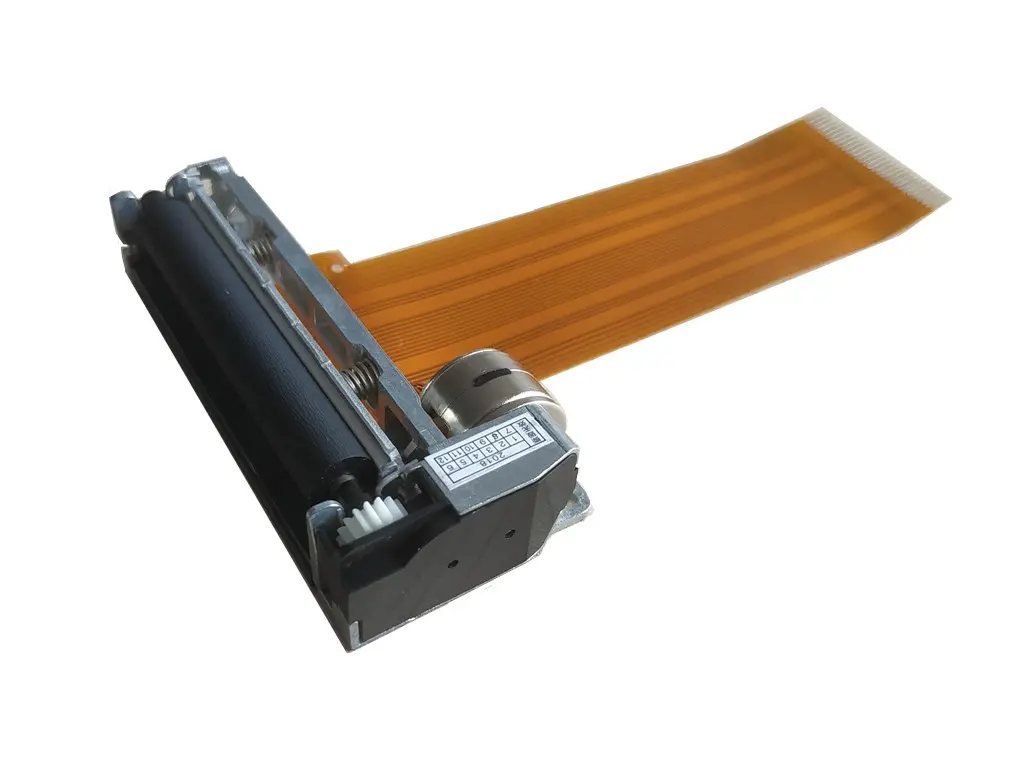 2 inch thermal printer mechanism
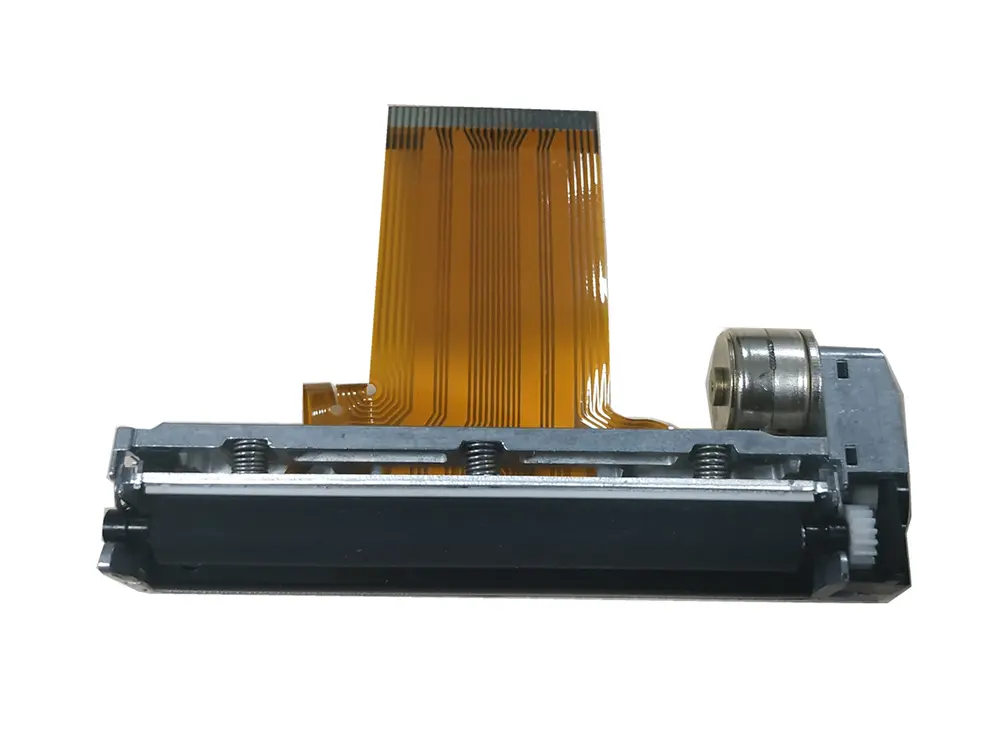 3 inch thermal printer mechanism
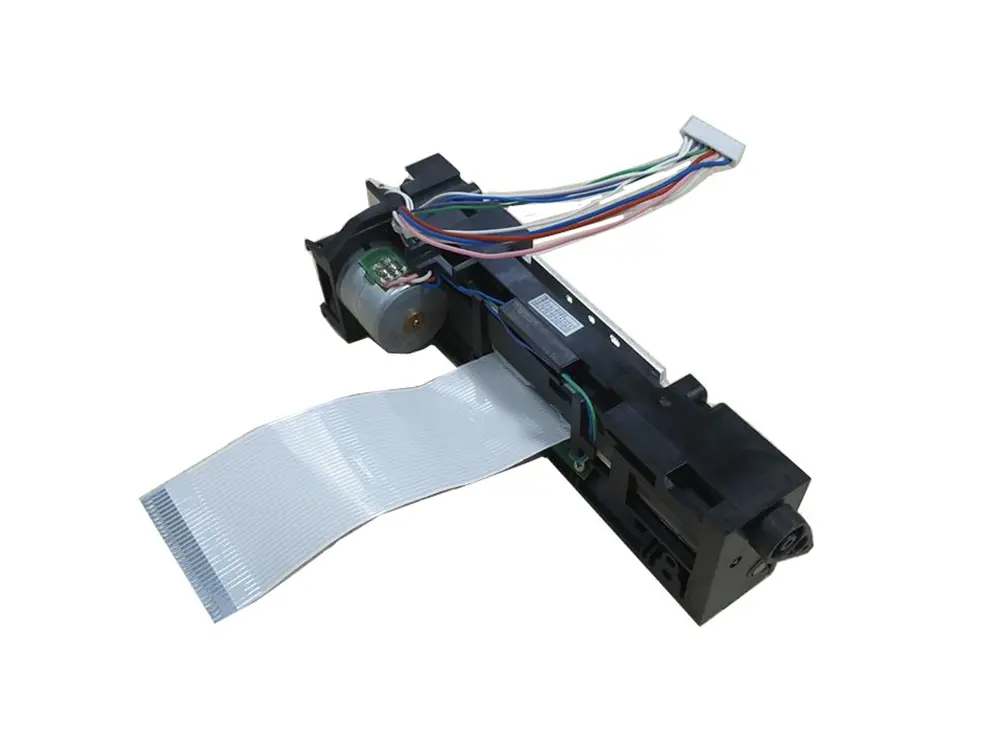 4 inch thermal printer mechanism
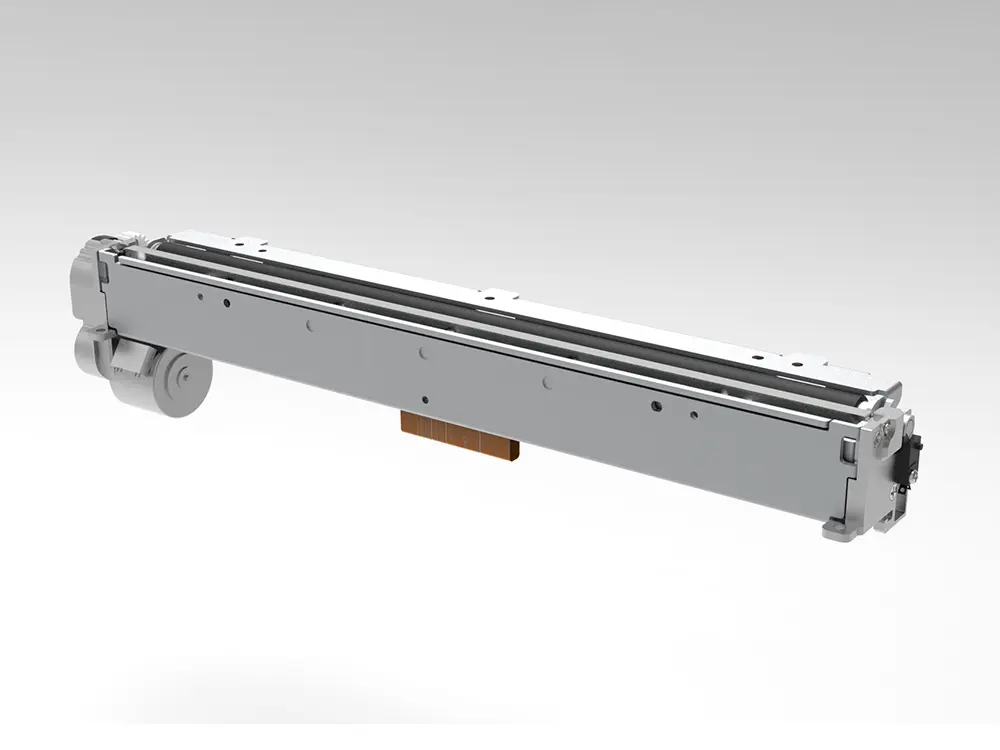 8 inch thermal printer mechanism
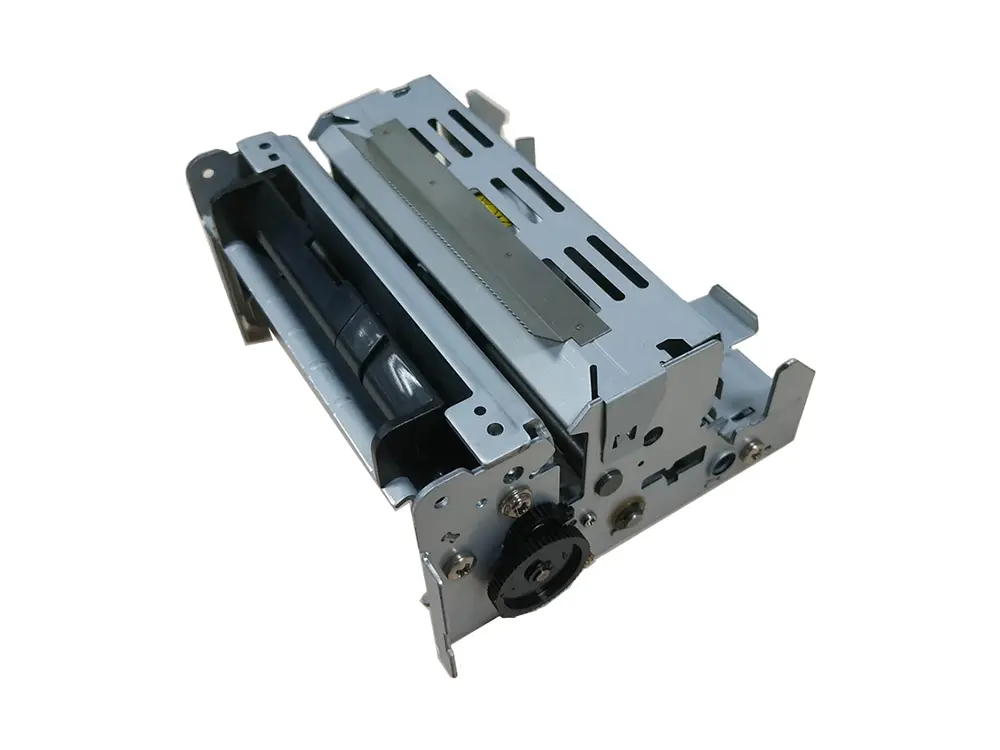 dot matrix printer mechanism
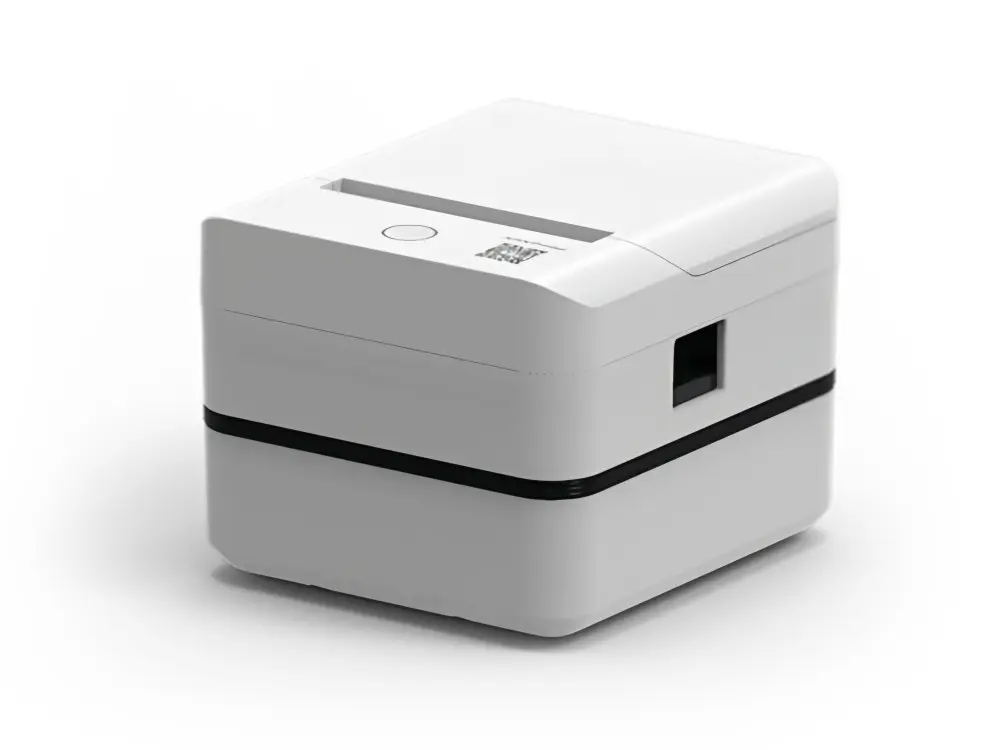 Label Printer
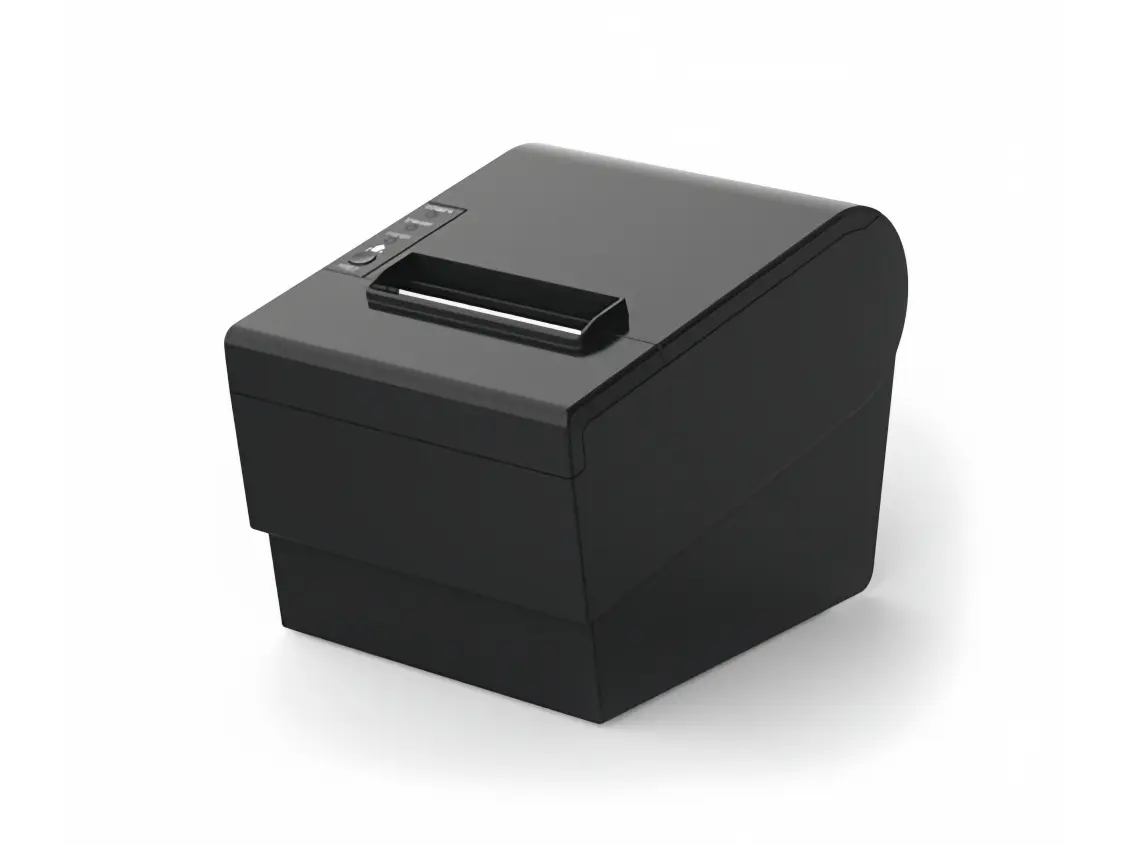 Receipt Printer
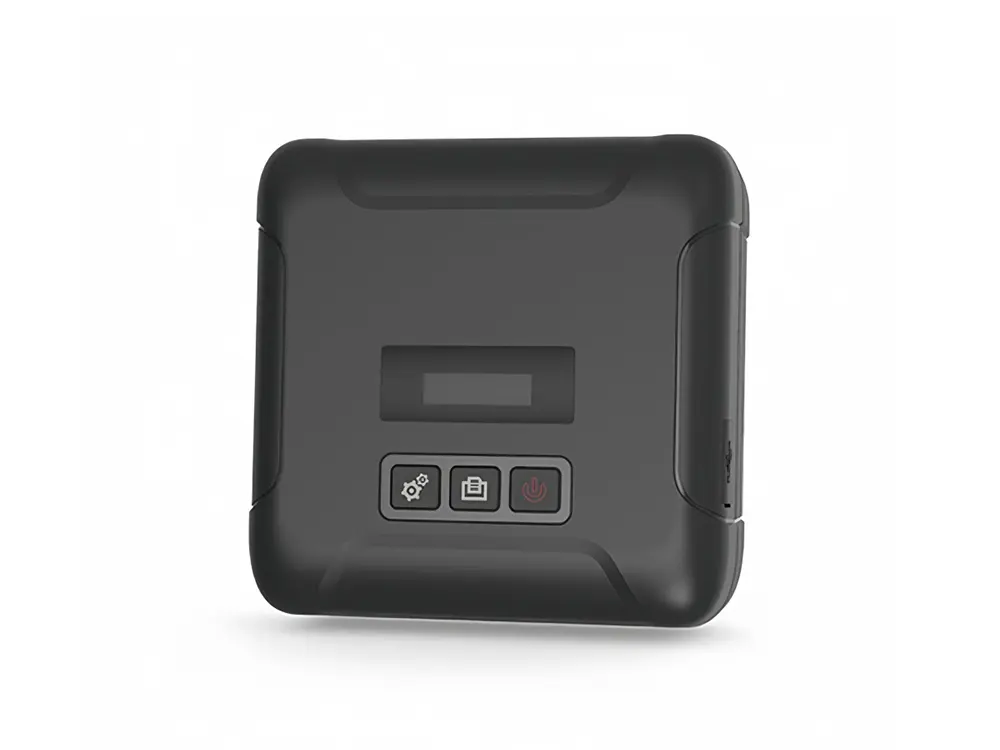 Mobile Printer