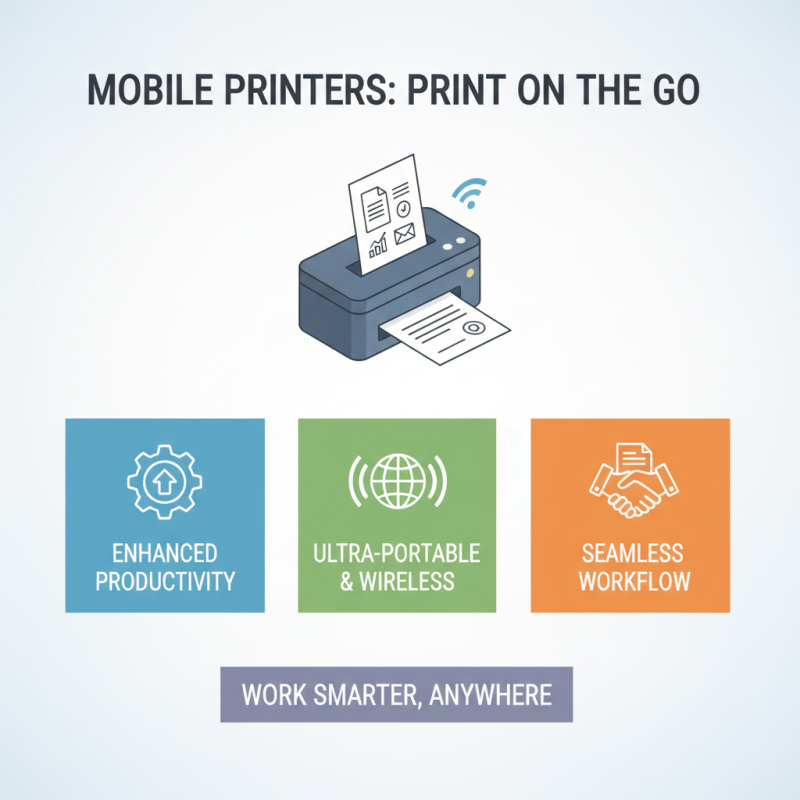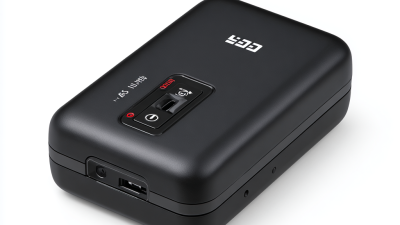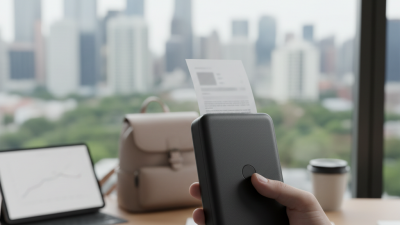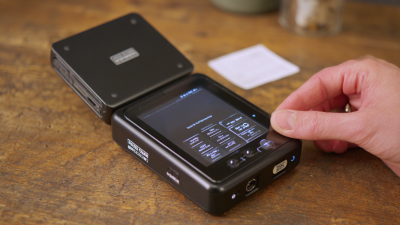
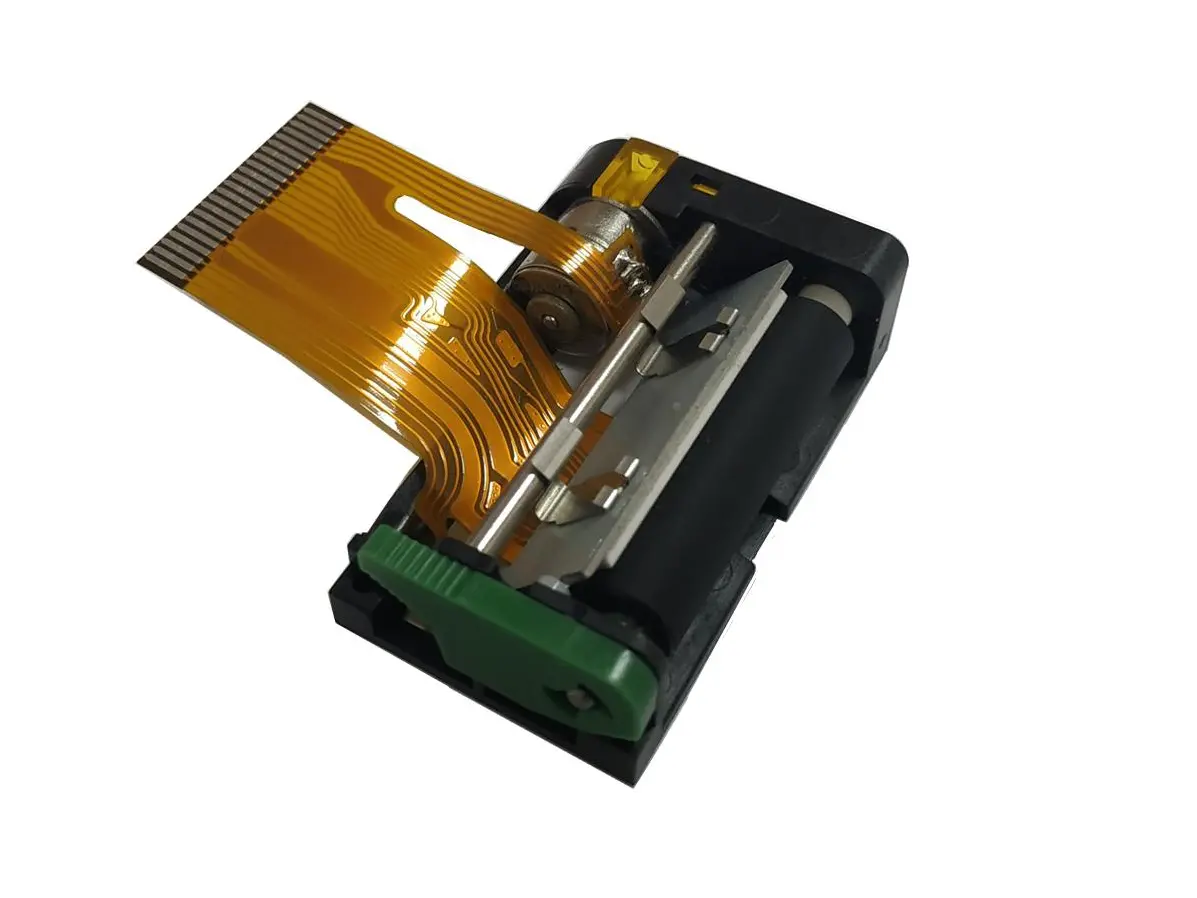
In today's fast-paced world, the demand for portability and convenience continues to grow, making mobile printers an essential tool for professionals on the move. Whether you're a business person needing to print contracts during meetings, a student printing lecture notes from a café, or an artist creating prints of your work in various locations, a mobile printer can significantly enhance your productivity. With advancements in technology, these compact devices now offer high-quality printing capabilities, enabling users to achieve professional results from virtually anywhere.
However, with a variety of options available, selecting the best mobile printer to suit your specific requirements can be a daunting task. Factors such as print quality, connectivity options, battery life, and size come into play when making this important decision. This guide aims to simplify the process, providing you with essential insights and considerations to help you navigate the mobile printer landscape. Whether you are looking for a lightweight option that fits into your backpack or a more robust device designed for heavier use, understanding the key features and specifications will empower you to choose the mobile printer that aligns perfectly with your needs.
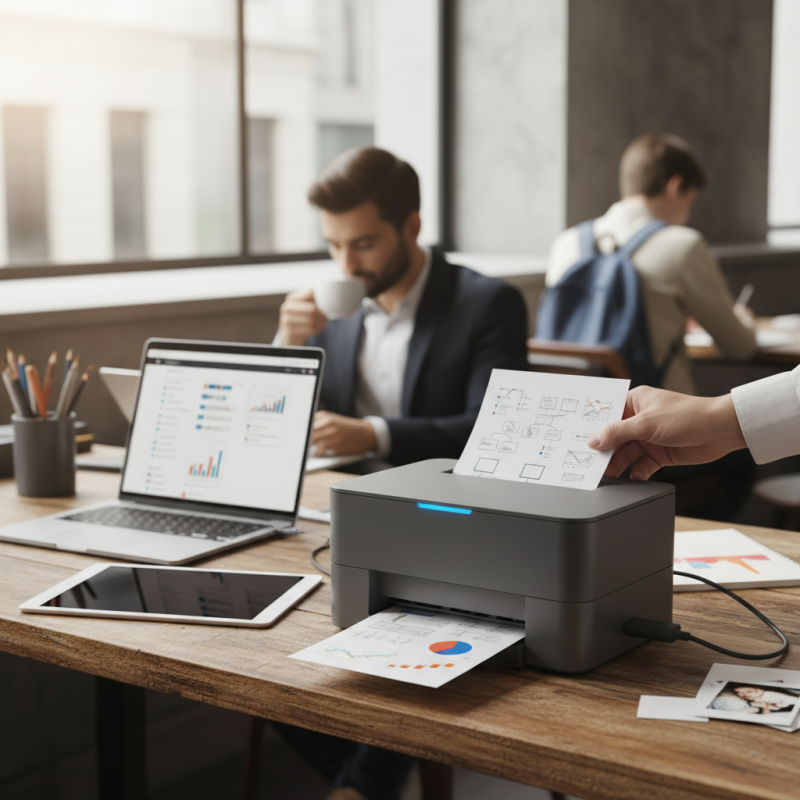
In today's fast-paced, technology-driven world, mobile printers have emerged as indispensable tools for both individuals and businesses. Their compact design and wireless capabilities allow users to print documents on the go, enhancing productivity and efficiency. Whether in a corporate setting, at a remote job site, or while traveling, the ability to produce hard copies of essential documents instantly can significantly streamline workflows and facilitate better communication.
The importance of mobile printers extends beyond mere convenience. They empower professionals to deliver timely services, such as providing instant invoices, contracts, and reports during client meetings or fieldwork. This not only fosters a more professional image but also accelerates decision-making processes, as stakeholders can access and review printed materials on the spot. As remote work continues to gain prevalence, mobile printers become vital in bridging the gap between digital and physical documentation, ensuring that important information is always accessible, regardless of location.
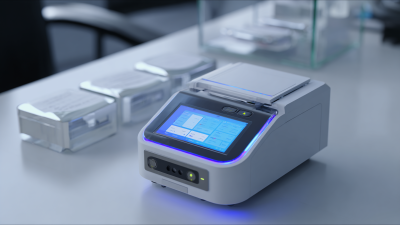
When selecting the best mobile printer for your needs, there are several key features to consider that can significantly impact your printing experience. First and foremost is the printer's compatibility with your devices. A report from the International Data Corporation (IDC) highlights that nearly 75% of mobile printer users prioritize connectivity options such as Bluetooth, Wi-Fi, and USB Type-C to ensure seamless integration with smartphones, tablets, and laptops. This flexibility allows users across various sectors—ranging from healthcare to retail—to maintain productivity on the go.
Another critical feature is print quality and speed. According to a survey conducted by the Mobile Printing Association, 60% of users express dissatisfaction with print quality and speed, emphasizing the need for a printer that can deliver high-resolution prints quickly. Look for a device that offers at least 300 dpi resolution for clear text and graphics, coupled with a printing speed of at least 4 pages per minute (PPM). Battery life is equally important; many mobile printers on the market now offer extended battery capabilities, allowing for multiple printing sessions throughout the day without requiring frequent recharges. Overall, by prioritizing compatibility, print quality, speed, and battery life, you can choose a mobile printer that best fits your workflow needs.
When selecting the best mobile printer for your needs, understanding the different types available—thermal, inkjet, and laser—is essential. Thermal printers are popular for their simplicity and portability. They work by applying heat to specially coated paper, making them ideal for printing receipts or labels. The key benefit of thermal printing is that it requires no ink cartridges, which can save both time and money in environments that need fast, efficient output.
In contrast, inkjet printers excel in producing high-quality color prints. They spray tiny droplets of ink onto paper, allowing for vibrant images and detailed graphics. This type of printer is particularly well-suited for those who require versatility, as they can often handle various media types, from photo paper to standard sheets. However, it’s important to consider that inkjet printers may require more maintenance, especially in terms of ink replacement.
Laser printers stand out for their speed and efficiency, making them an excellent choice for high-volume printing. They use a laser beam to produce an image on a drum, which is then transferred to paper using toner. While they typically produce only monochrome prints, some models support color printing. A notable advantage of laser printers is their lower cost per page, making them a cost-effective option for businesses that need to print frequently.
Tips: When choosing a mobile printer, consider your primary printing needs—whether you prefer portability, quality, or volume. Always check battery life and connectivity options to ensure it matches your lifestyle. Additionally, reviewing user feedback can provide insights into real-world performance, helping you make an informed decision.
When selecting the best mobile printer, one critical factor to assess is your printing volume and frequency requirements. Industry data indicates that businesses using mobile printers typically need to produce between 50 and 200 prints per day. Understanding your daily or weekly printing needs can significantly impact the printer's efficiency and longevity. A printer that cannot handle your workload may lead to downtime, increased operational costs, and frustration among users.
To help you ascertain your printing requirements, consider the volume of documents you need to print regularly. If your usage leans towards high-volume printing, opting for a printer with a robust cartridge capacity and faster printing speed will be crucial. For example, a mobile printer designed for higher output may print an average of 20 pages per minute, compared to those that typically offer 5-10 pages per minute.
Tips: Start by tracking your printing habits for a week to determine your average daily volume. Additionally, consider your printing frequency: if you print sporadically, a model with lower maintenance requirements may be preferable. Also, evaluate the types of documents you’ll be printing, as different printers have varying capabilities in handling color versus black-and-white prints, which can further inform your choice.
| Printer Type | Print Volume (pages/month) | Print Frequency (times/week) | Connectivity Options | Average Print Speed (ppm) | Battery Life (hours) |
|---|---|---|---|---|---|
| Thermal Printer | 200 | 5 | Bluetooth, USB | 25 | 8 |
| Inkjet Printer | 300 | 3 | Wi-Fi, USB | 15 | 6 |
| Laser Printer | 500 | 7 | Wi-Fi Direct, USB | 30 | 10 |
| Mobile Photo Printer | 150 | 2 | Bluetooth, NFC | 12 | 5 |
When budgeting for a mobile printer, it’s essential to consider not just the initial purchase price but also long-term costs associated with its operation and maintenance. Mobile printers vary significantly in price, often reflecting their features, print quality, and connectivity options. Before making a choice, assess how frequently you plan to use the printer and the volume of printing you anticipate. This foresight can help you choose a model that strikes a balance between affordability and functionality to meet your specific needs.
Additionally, factor in the ongoing expenses that often accompany mobile printing. These may include ink or toner replacements, paper costs, and even potential repair services. Some printers might have lower upfront costs but could result in higher long-term expenses due to expensive consumables. It’s wise to research the average lifespan of the printer and the cost of its supplies.
By considering both initial and future expenses, you can ensure that your investment aligns with your printing habits, driving both immediate satisfaction and long-term value.