Unlocking Efficiency: How Thermal Printers Revolutionize Receipt Printing in Retail
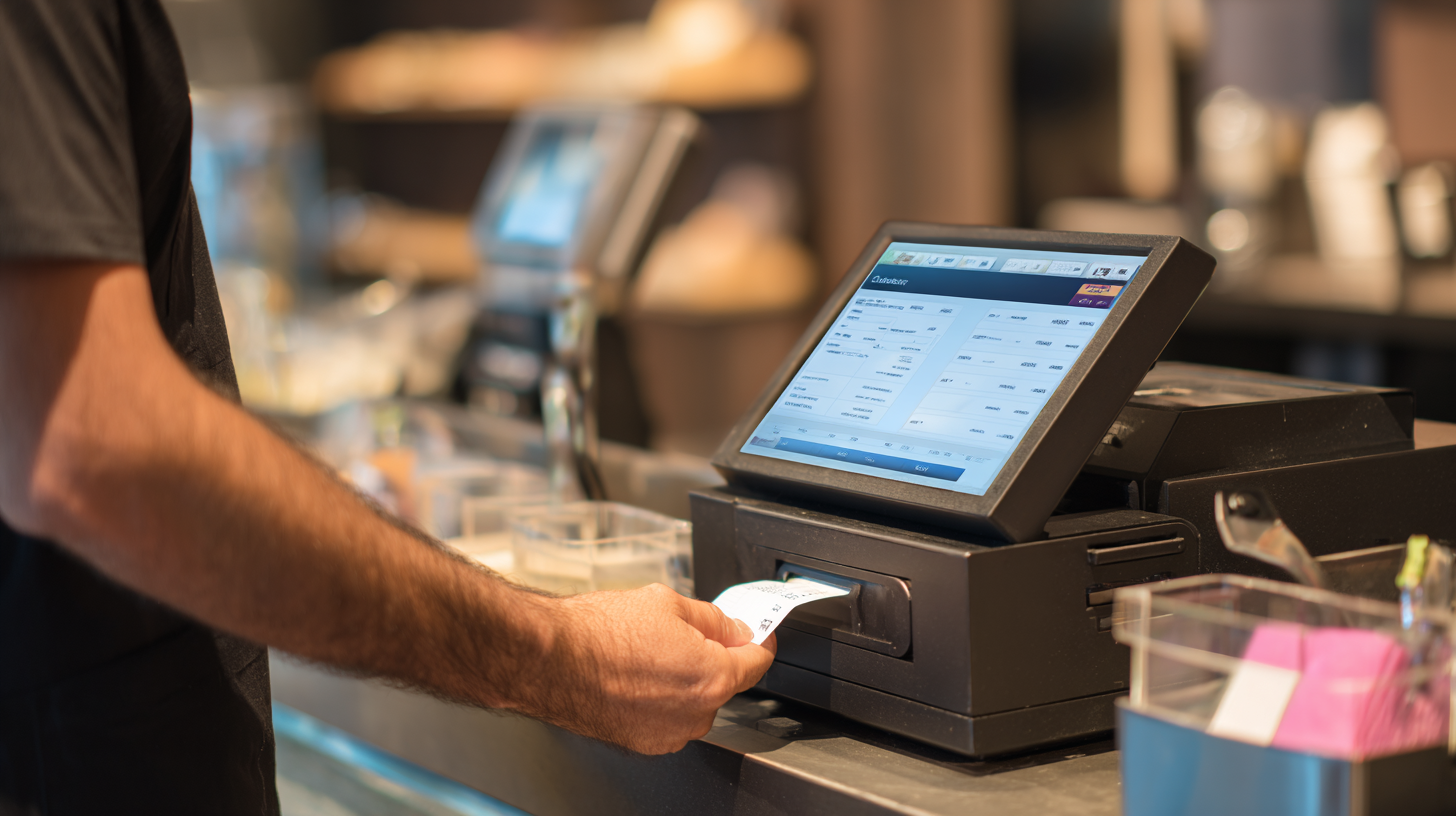
In the fast-paced world of retail, efficiency is paramount, and one technology is taking center stage in streamlining operations: the thermal printer. These innovative devices not only expedite the receipt printing process but also enhance the overall customer experience. By employing advanced heat technology, thermal printers eliminate the need for ink or toner, reducing maintenance costs and downtime. Retailers are increasingly recognizing the benefits of thermal printing, as it offers speed, reliability, and crisp, clear receipts that add to customer satisfaction. As businesses strive to optimize workflows and improve service delivery, understanding how to effectively integrate thermal printers into their operations is essential. In this article, we will explore valuable tips and insights on leveraging thermal printers to unlock unprecedented efficiency in receipt printing, ultimately revolutionizing retail transactions.
The Shift from Traditional to Thermal Printers in Retail
The retail landscape is undergoing a significant transformation with the shift from traditional to thermal printers, marking a pivotal change in receipt printing practices. Traditional impact printers, with their moving parts and ribbons, often lead to slower printing speeds and increased maintenance requirements. In contrast, thermal printers utilize heat to transfer ink onto paper, resulting in a much quicker and quieter operation. This efficiency not only improves the customer experience at checkout but also allows retailers to handle higher volumes of transactions with greater ease.
Moreover, the advantages of thermal printers go beyond speed. They are generally more compact and energy-efficient than their traditional counterparts, making them ideal for the fast-paced environment of retail. The elimination of ink cartridges reduces both cost and waste, aligning with the growing emphasis on sustainability in business practices. Retailers can also benefit from the enhanced reliability of thermal printing, as these devices are less prone to mechanical failure. As businesses embrace this evolution, it is clear that thermal printers are not just a technological upgrade but a strategic move towards more efficient and eco-friendly operations in the retail sector.
Unlocking Efficiency: How Thermal Printers Revolutionize Receipt Printing in Retail
| Aspect |
Traditional Printers |
Thermal Printers |
| Speed of Printing |
Lower (up to 90 mm/sec) |
Higher (up to 300 mm/sec) |
| Cost of Operation |
Higher (ink and maintenance costs) |
Lower (no ink needed) |
| Print Quality |
Variable |
Consistent and clear |
| Maintenance Requirements |
High (cartridges and cleaning) |
Low (minimal upkeep) |
| Environmental Impact |
Higher (waste from cartridges) |
Lower (less disposable waste) |
Enhancing Speed and Accuracy: The Advantages of Thermal Printing
In the fast-paced world of retail, speed and accuracy are vital for maintaining customer satisfaction and operational efficiency. Thermal printers have emerged as a game-changer in receipt printing, primarily due to their ability to produce receipts quickly without compromising on quality. Unlike traditional ink-based printers, thermal printers utilize heat to transfer images onto paper, resulting in instant printing capabilities. This rapid output not only reduces waiting times at checkout but also allows retailers to serve more customers efficiently, enhancing overall productivity.
Moreover, the accuracy of thermal printing further elevates its status in the retail sector. With fewer mechanical parts compared to their inkjet or laser counterparts, thermal printers inherently experience lower rates of malfunction and less misalignment. This reliability translates into precise and legible receipts every time, minimizing the likelihood of errors that can lead to customer dissatisfaction or transaction disputes. As retailers increasingly adopt thermal printing technology, they are not only unlocking new levels of efficiency in their checkout processes but also ensuring a superior experience for their customers.
Cost-Effectiveness: Saving on Supplies and Maintenance
Thermal printers have become a game changer in the retail sector, especially when it comes to cost-effectiveness. According to a recent industry report by Smithers Pira, thermal printers can reduce printing costs by up to 60% compared to traditional ink and laser printers. This significant reduction is largely due to the absence of ink and toner, which not only cuts down on supply expenses but also minimizes waste, making thermal printing an environmentally friendly choice.
Additionally, the maintenance costs associated with thermal printers are remarkably lower. A study published in the Journal of Retail Technology shows that retailers can save nearly 30% on maintenance costs due to the simpler mechanics of thermal printer technology. With fewer moving parts, these printers tend to require less frequent servicing, allowing retailers to allocate resources elsewhere.
**Tip:** When choosing a thermal printer, consider models that offer direct thermal printing, as they eliminate the need for consumables like ribbons altogether. **Tip:** Keep an eye out for printers with a self-cleaning feature—this can further reduce maintenance time and costs while enhancing print quality. By investing in modern thermal printing technology, retailers not only improve operational efficiency but also significantly cut down on their long-term expenses.
Streamlining the Customer Experience with Instant Receipts
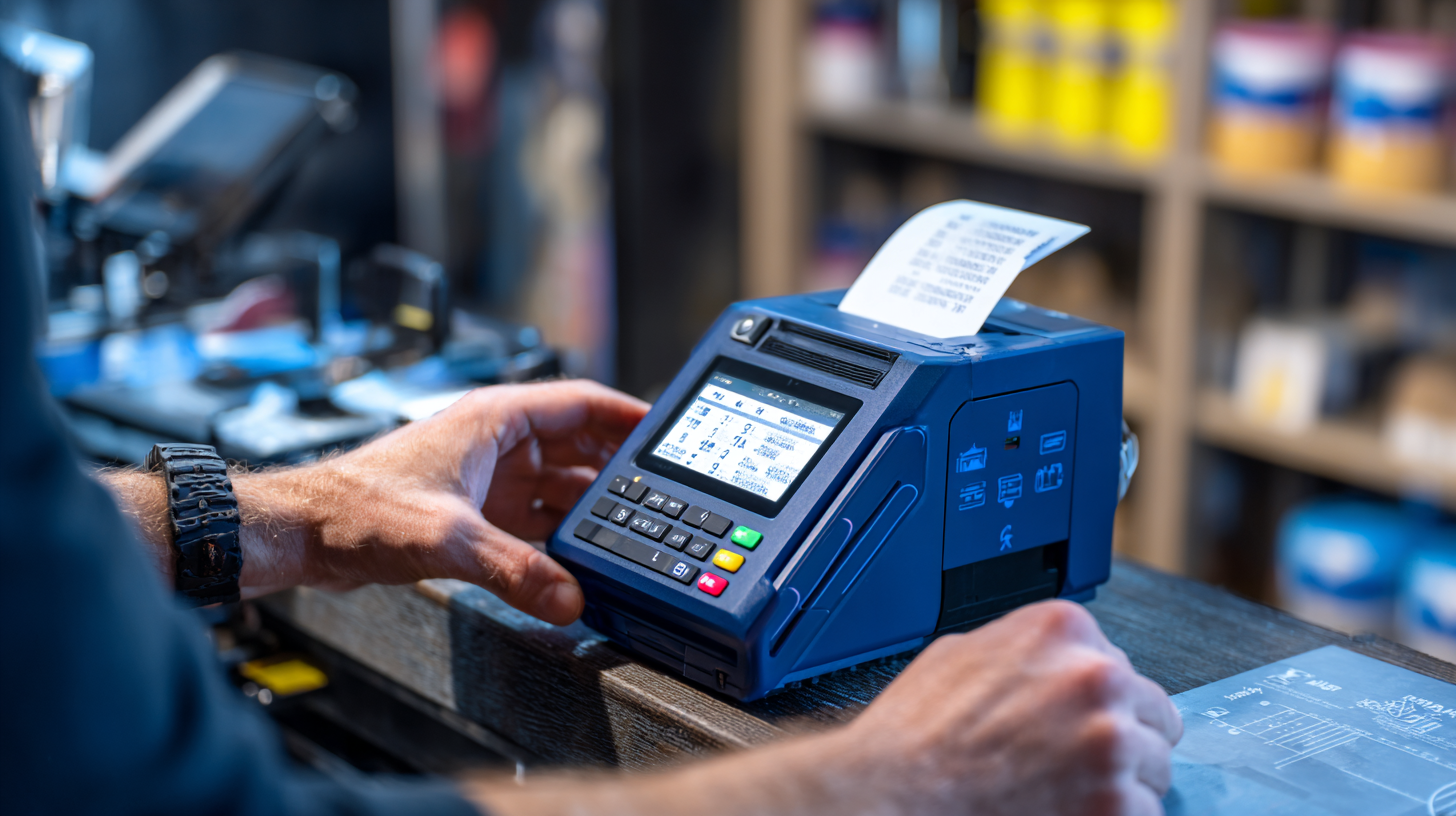
In the fast-paced world of retail, enhancing the customer experience is paramount. One significant advancement in this arena is the adoption of thermal printers, which have transformed the way receipts are printed and delivered. With the ability to print high-quality, instant receipts on demand, retailers can streamline transactions, minimizing wait times and improving overall customer satisfaction. This technology eliminates the need for ink or toner, thereby reducing operational costs and environmental impact.
Moreover, thermal printers support various formats and sizes, catering to diverse retail environments. Whether it's a bustling grocery store or a quaint boutique, the adaptability of thermal printing solutions ensures that businesses can meet customer expectations effectively. Instant receipts not only provide customers with proof of purchase but also enhance their shopping experience by offering convenient and eco-friendly options, such as emailed or digital receipts, further aligning with modern consumer preferences. As retailers embrace these innovations, they can create a more efficient and enjoyable shopping environment that fosters customer loyalty.
The Future of Retail: Integration of Thermal Printers with Digital Solutions
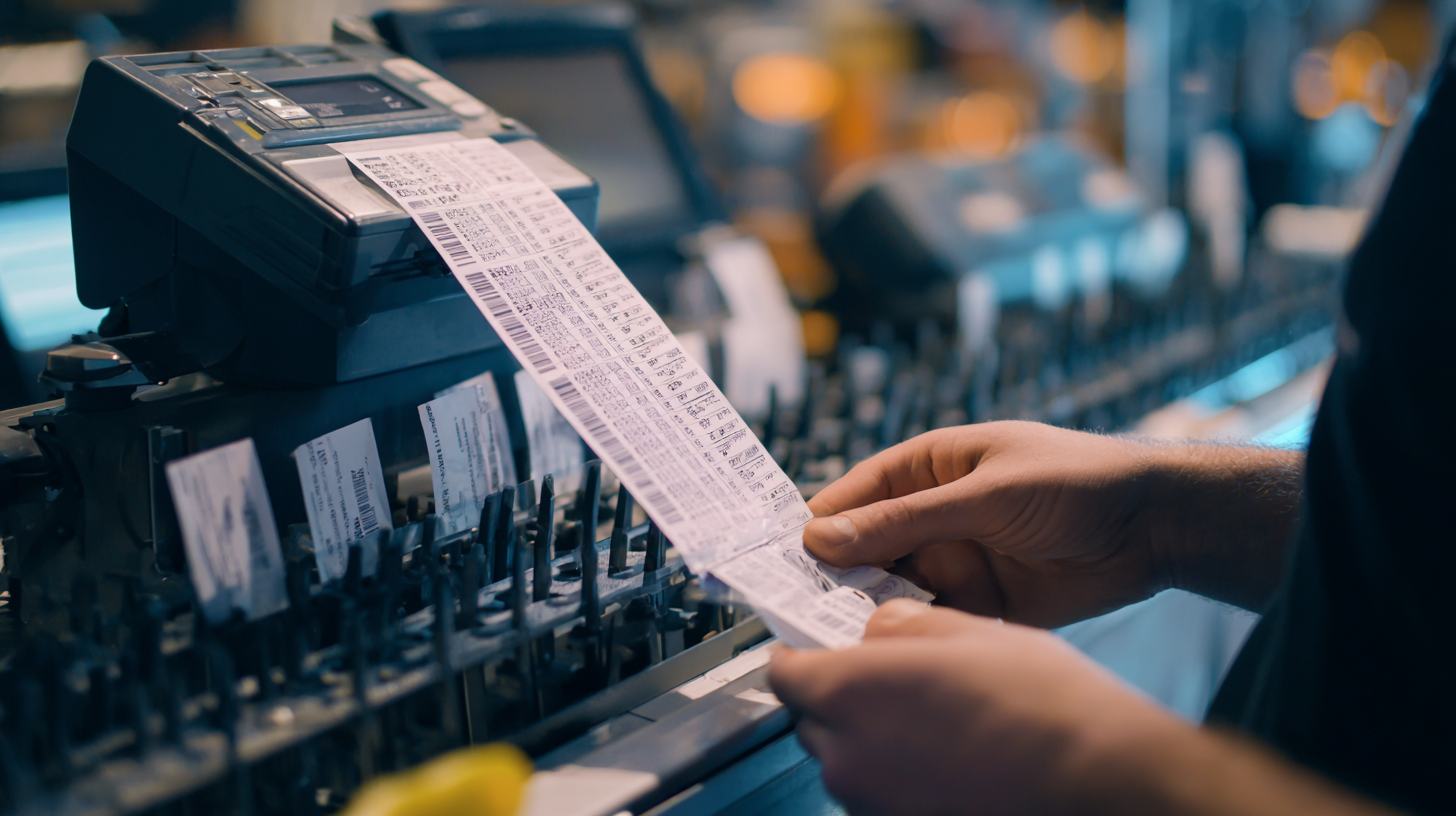
The retail landscape is rapidly evolving, and one of the key drivers of this transformation is the integration of thermal printers with digital solutions. Thermal printing technology not only streamlines the receipt printing process but also enhances efficiency in retail environments. As per recent market analysis, the thermal paper market is projected to expand significantly, driven by applications in retail and beyond. By 2032, the demand for thermal POS paper and labels is set to increase, reflecting the growing preference for fast and reliable printing solutions in the retail sector.
Furthermore, the thermal printer market itself is also on an upward trajectory. A report indicates that the thermal print head market will surpass $913.66 million by 2024, with projections reaching $1.61 billion by 2037, showcasing a compound annual growth rate of approximately 4.5% during the forecast period. This growth is fueled by the integration of advanced digital technologies, enabling retailers to not only improve operational efficiency but also enhance customer experience. By leveraging these innovations, retailers are unlocking new potentials in their service delivery, redefining how they interact with consumers in an increasingly digital world.
Unlocking Efficiency: Thermal Printers in Retail
This chart illustrates the increasing adoption of thermal printers in the retail sector from 2018 to 2023, showcasing the rise in efficiency and the shift towards digital solutions.

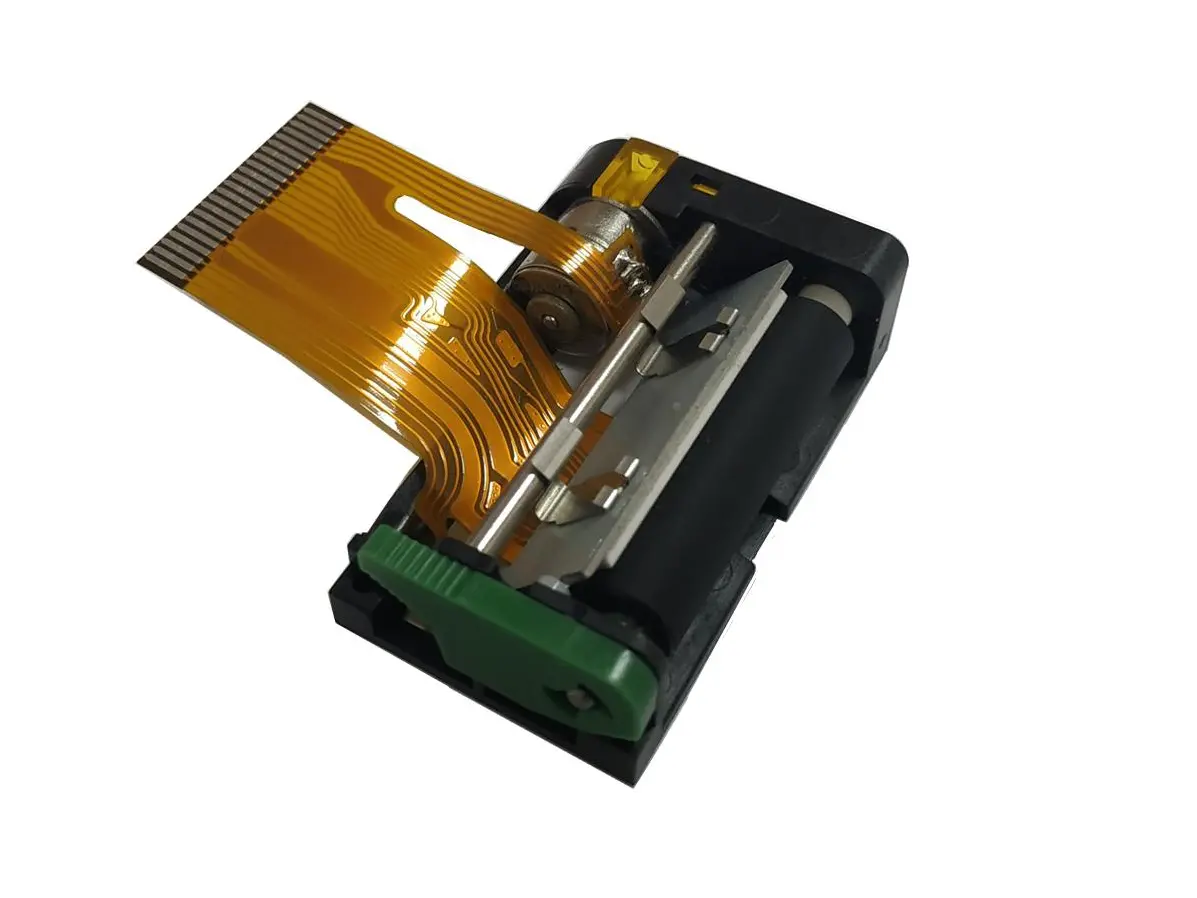 1 inch thermal printer mechanism
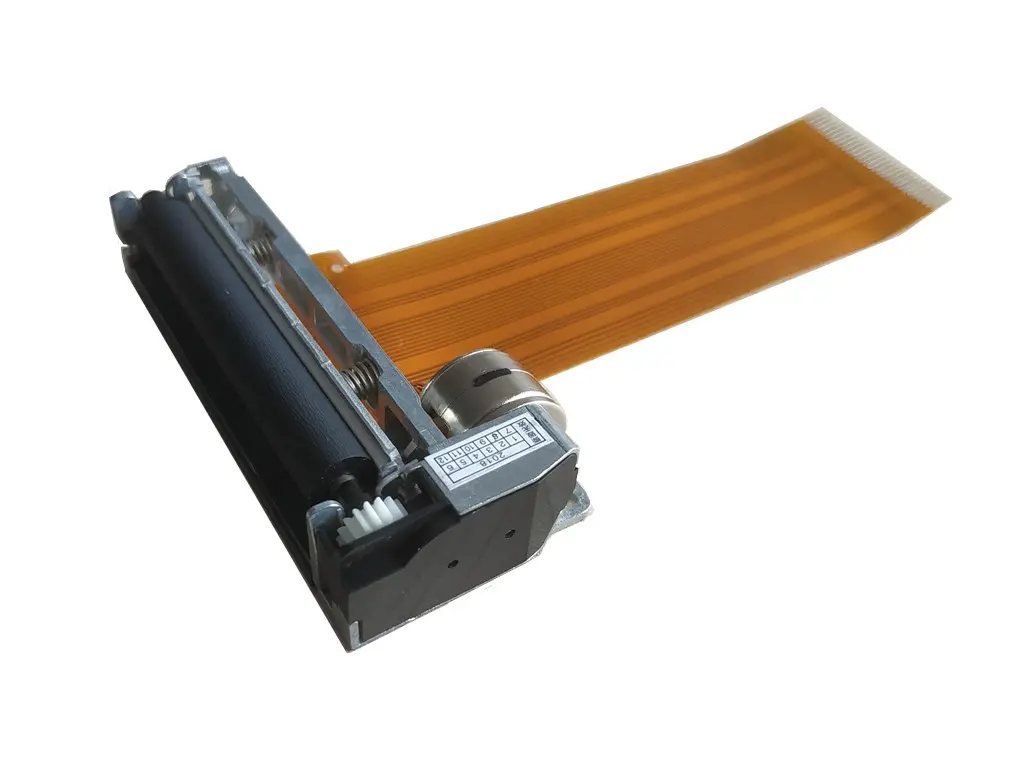 2 inch thermal printer mechanism
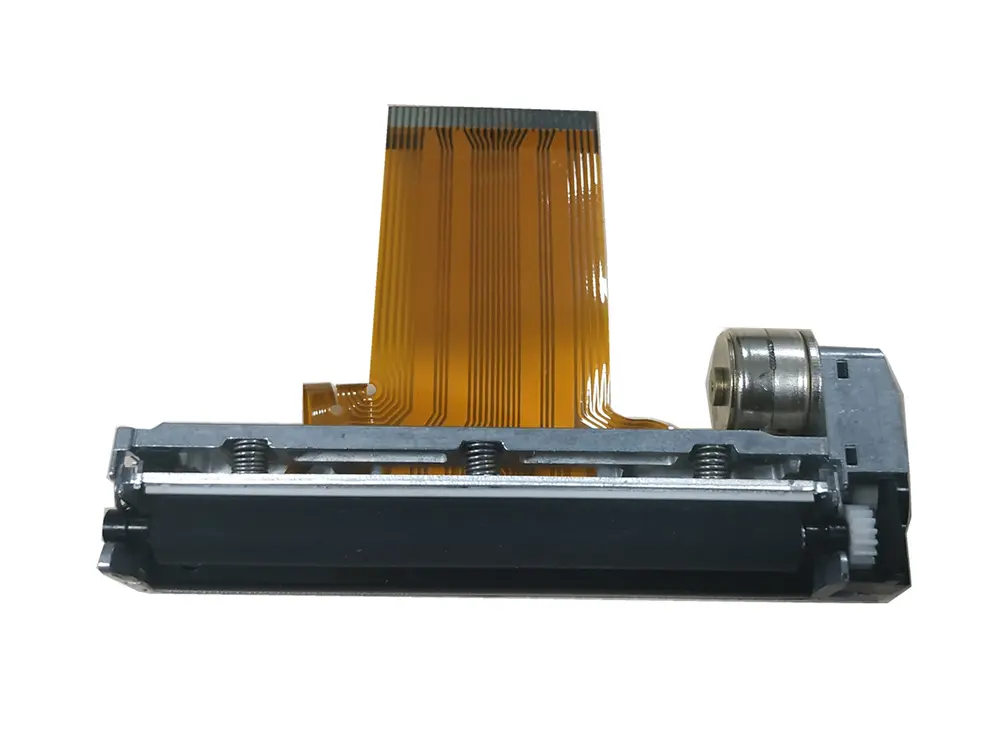 3 inch thermal printer mechanism
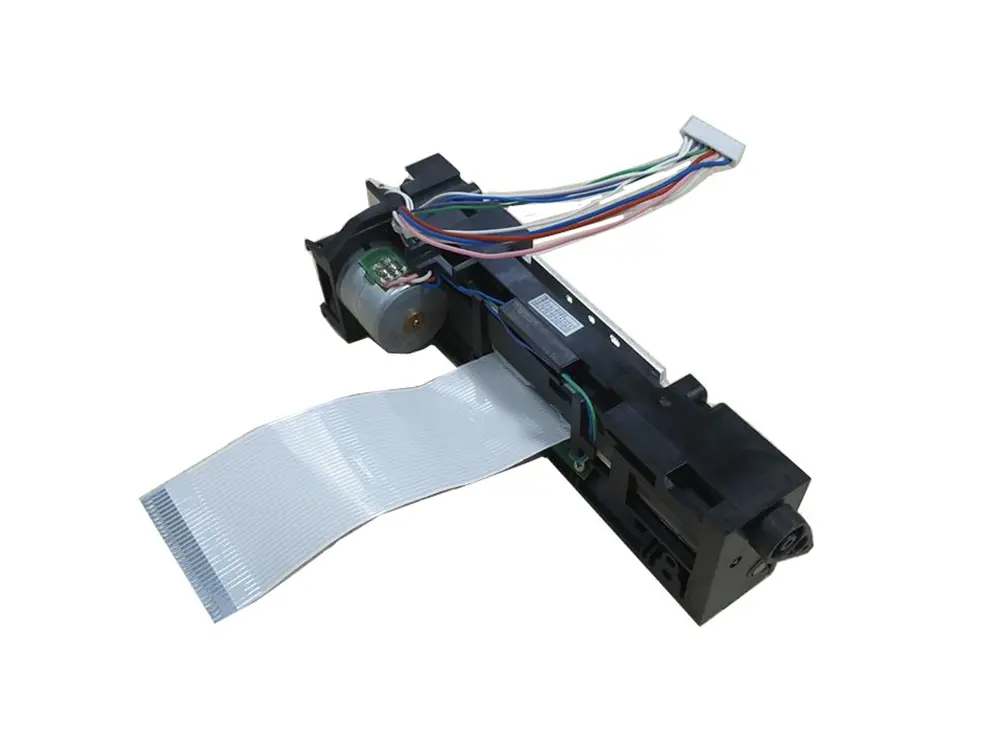 4 inch thermal printer mechanism
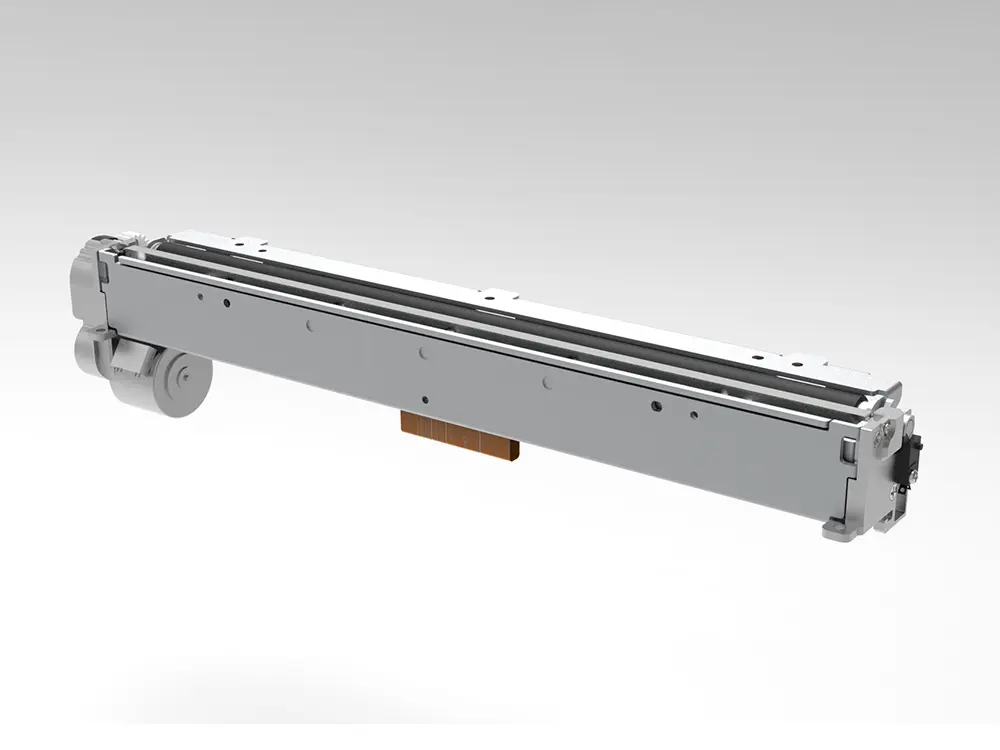 8 inch thermal printer mechanism
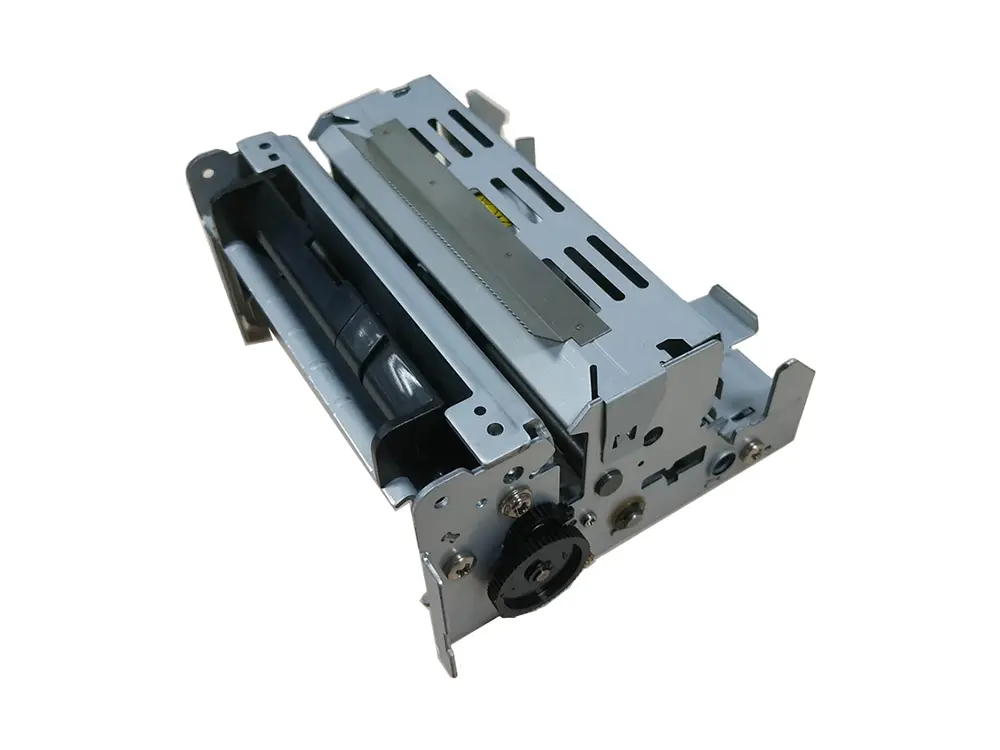 dot matrix printer mechanism
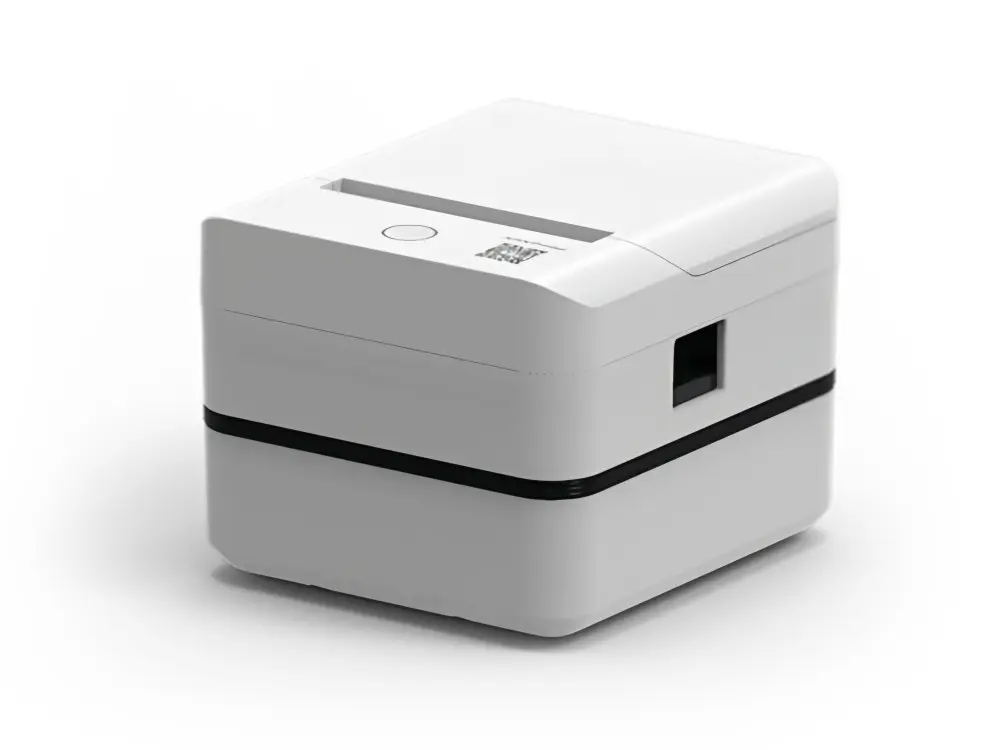 Label Printer
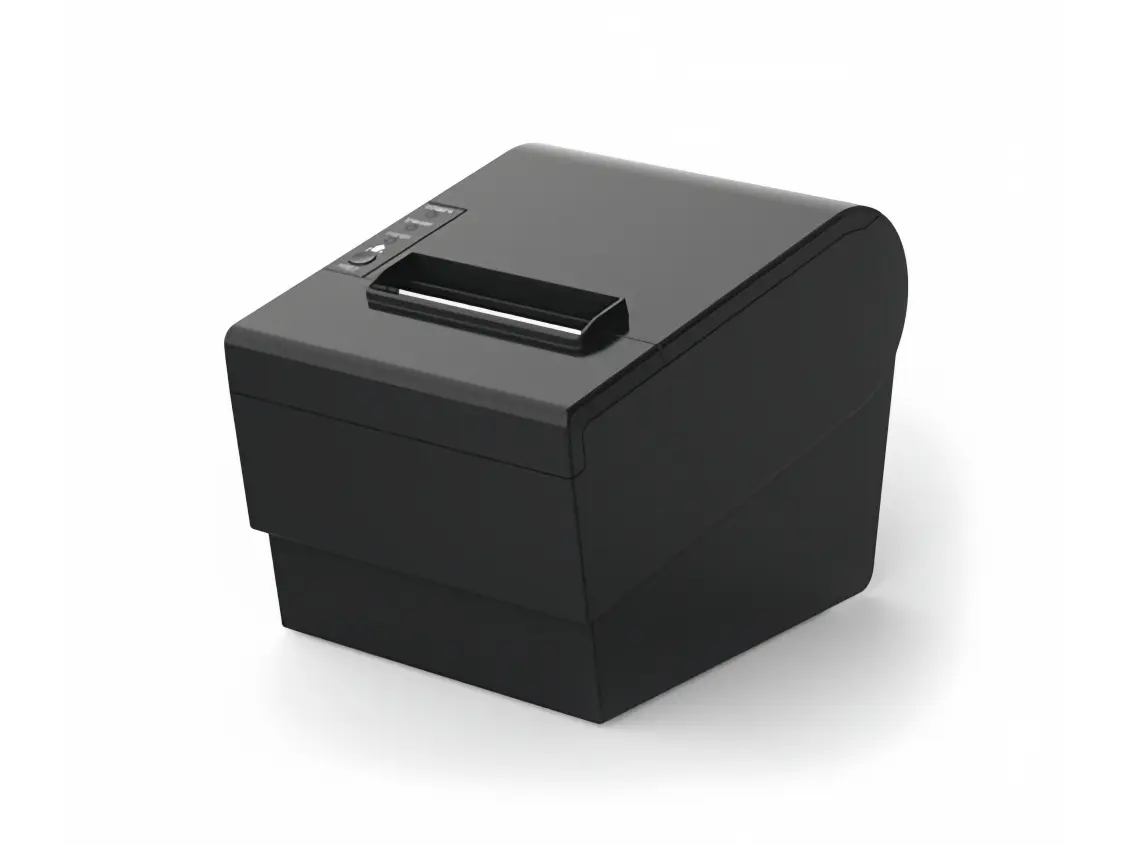 Receipt Printer
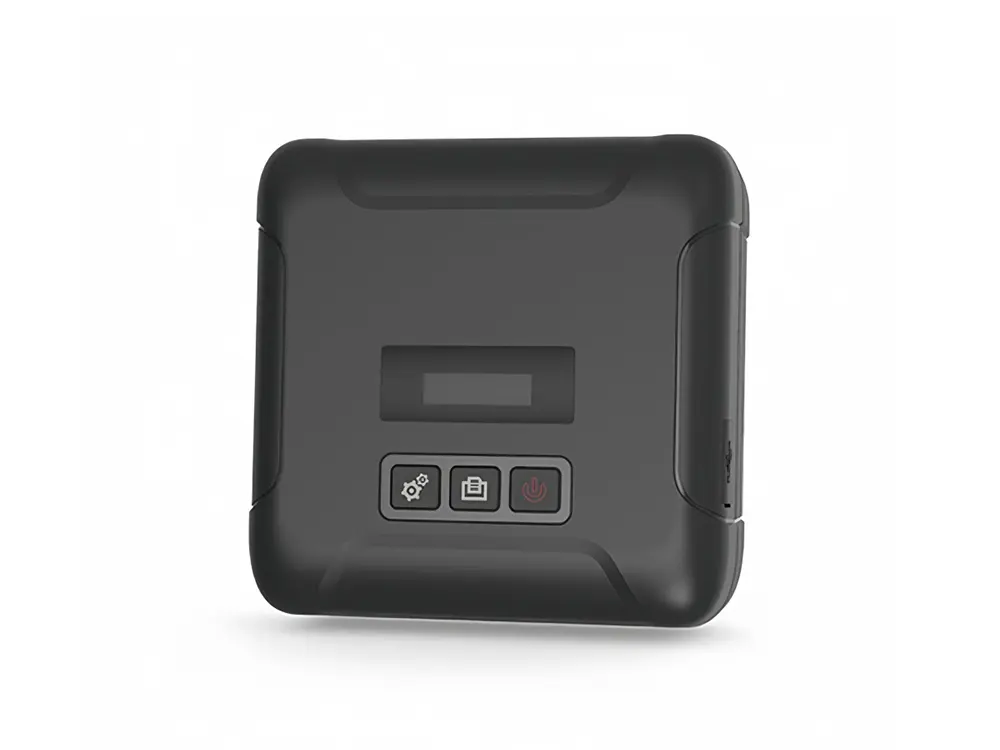 Mobile Printer