What is a Portable Thermal Printer and How Does It Work for Your Needs
In today's fast-paced world, the demand for efficient and mobile solutions has made the Portable Thermal Printer an essential tool across various industries. These compact devices utilize thermal printing technology, allowing users to print high-quality receipts, labels, and tickets on-the-go, which significantly enhances productivity and customer service. According to a recent report by MarketsandMarkets, the portable printer market is expected to grow from $1.2 billion in 2021 to $2.1 billion by 2026, highlighting the increasing adoption of portable thermal printing technologies.
Experts like Dr. Emily Carter, a renowned analyst in the printing technology sector, emphasize the importance of this innovation, stating, “The evolution of Portable Thermal Printers has revolutionized the way businesses manage on-site printing needs, providing not just convenience but also mobility.” This underscores the role of Portable Thermal Printers in streamlining operations, especially for small businesses and on-field services where immediate printing capabilities are crucial.
With advancements in battery life and connectivity options, Portable Thermal Printers are becoming increasingly versatile. They are increasingly integrated with smartphones and tablets, allowing for seamless printing from various platforms. As industries continue to embrace digital transformation, these printers stand out as a vital component, catering to evolving business needs effectively and efficiently.

What is a Portable Thermal Printer?
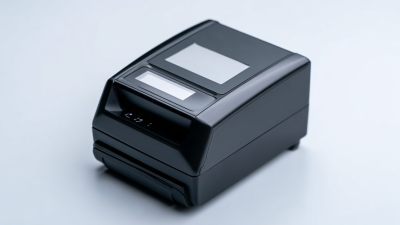
A portable thermal printer is a compact printing device designed to produce high-quality prints on various types of paper using heat. These printers leverage thermal printing technology, which eliminates the need for ink or toner by utilizing heat-sensitive paper. When activated, the thermal printhead applies heat to specific areas of the paper, creating a printed image or text. This technology not only allows for quick printing but also ensures that the devices remain lightweight and easy to carry.
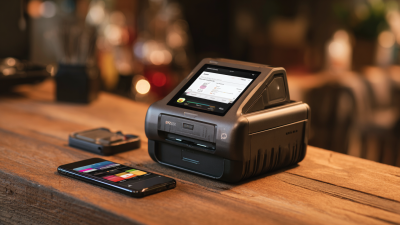
The convenience of portable thermal printers makes them ideal for multiple applications. They are widely used in settings such as retail stores for printing receipts, in healthcare for label printing, and in logistics for shipping documents. Their ability to connect wirelessly to smartphones or tablets further enhances their usability, allowing users to print on the go without being tethered to a computer. The simple operation and minimal maintenance required also make them an attractive choice for users seeking efficient printing solutions in various environments.
Portable Thermal Printer Usage by Sector
This chart illustrates the usage of portable thermal printers across various sectors. The retail sector utilizes the most, followed by food and beverage. Understanding these trends can help you decide on the necessary features and capabilities suited for your needs.
Components of a Portable Thermal Printer
A portable thermal printer is a compact device designed for on-the-go printing needs, often using thermal technology to produce high-quality prints. Understanding the components of a portable thermal printer can help users appreciate its functionality and suitability for various applications.
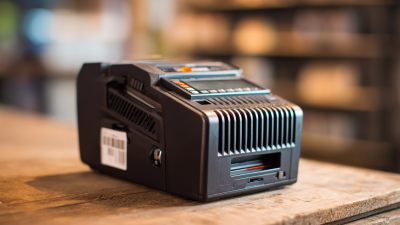
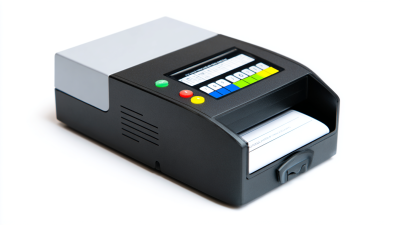
At the heart of a portable thermal printer is its thermal printhead, which uses heat to transfer ink from a thermal printing ribbon or chemically treated paper. This printhead is crucial for generating the images or text needed in real-time. The printer also houses a battery that powers the device, allowing it to operate without being tethered to an electrical outlet. A user-friendly interface, often consisting of buttons or a small screen, provides easy navigation and operation for the user.
Additionally, portable thermal printers typically include connectivity options such as Bluetooth or USB, enabling seamless interaction with smartphones, tablets, or laptops. Storage for the paper rolls is another essential component, ensuring that users can easily replace the paper when needed. Together, these components work harmoniously to enhance mobility while providing efficient printing solutions tailored for various environments, including retail, logistics, and field services.
How Portable Thermal Printers Work: The Printing Process
Portable thermal printers are specialized devices designed to print text and images by applying heat to thermal paper. The fundamental working principle involves a thermal print head that generates heat in specific areas to create a pattern of text or graphics on the paper. When the thermal paper passes under this print head, the heated elements react with the thermal coating on the paper, resulting in a printed image. This technology is widely appreciated for its speed and efficiency, making it ideal for on-the-go printing needs.
The printing process is relatively straightforward. Once a document or image is selected for printing, the data is sent from a connected device, such as a smartphone or tablet, to the printer. Upon receiving the data, the thermal printer activates its heating elements, which then influences the thermal paper. Different levels of heat are applied to create various shades, allowing for detailed and clear outputs. This seamless process empowers users to generate high-quality printouts in various settings, from field work to retail environments, demonstrating the versatility and practicality of portable thermal printing technology.
What is a Portable Thermal Printer and How Does It Work for Your Needs
| Feature |
Description |
| Portability |
Compact and lightweight design for ease of transport. |
| Connectivity |
Supports Bluetooth, USB, and Wi-Fi connections to mobile devices. |
| Printing Speed |
Typically ranges from 50 to 100 mm/second depending on the model. |
| Print Quality |
Resolution usually around 203 DPI, suitable for clear text and graphics. |
| Battery Life |
Average battery life ranges from 4 to 8 hours, depending on usage. |
| Operating System Compatibility |
Compatible with major operating systems including iOS, Android, and Windows. |
| Ideal Use Cases |
Retail, logistics, healthcare, and field services where on-the-go printing is needed. |
Applications of Portable Thermal Printers in Various Industries
Portable thermal printers have rapidly become essential tools across various industries, thanks to their efficiency and versatility. In retail, for instance, these printers streamline the process of generating receipts, price tags, and barcodes on-demand. Retail workers can print labels directly from their mobile devices, enhancing customer service and reducing wait times. These compact printers are particularly useful for businesses that require flexibility and the ability to print on the go, making them an invaluable asset in today’s fast-paced retail environment.
In healthcare, portable thermal printers play a crucial role in improving patient care and record-keeping. Medical professionals can print labels for specimen samples, medication prescriptions, or patient identification wristbands directly at the point of care. This not only increases efficiency but also minimizes errors associated with manual label writing.
Moreover, in logistics and shipping, these printers facilitate the printing of shipping labels and packing slips directly from handheld devices, ensuring that items are accurately documented and tracked throughout the supply chain. The ability to operate in various settings, from hospitals to warehouses, underscores the adaptability and growing significance of portable thermal printers across industries.
Choosing the Right Portable Thermal Printer for Your Needs
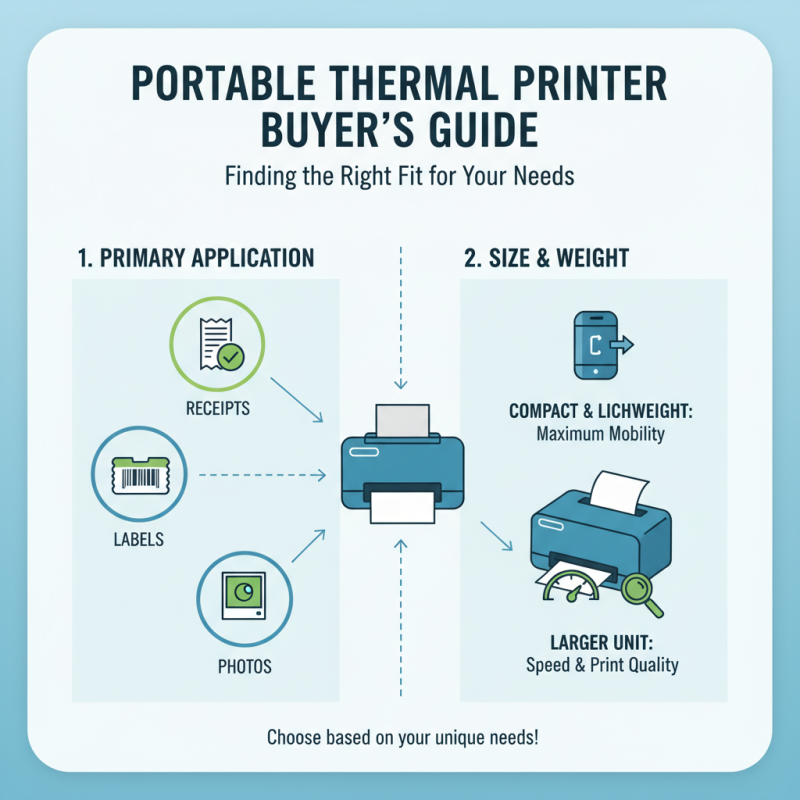
When it comes to selecting the right portable thermal printer, it’s essential to consider your unique needs and the specific features that cater to those requirements. First, think about the primary application: are you printing receipts, labels, or photos? This will help narrow down your choices, as some printers excel in certain applications while others might offer versatility across multiple formats. Next, assess the size and weight of the printer. A compact, lightweight model may be best for mobility, while a slightly larger unit could provide better speed and quality.
Tips for choosing the right portable thermal printer include checking the connectivity options. Bluetooth and Wi-Fi capabilities can significantly enhance convenience, especially when printing from mobile devices. Additionally, examine the battery life; a longer-lasting battery will ensure you stay productive throughout the day without frequent recharges. Lastly, look into the cost of consumables, such as thermal paper rolls, as this can impact the overall ownership experience and budget.
Another important factor is durability and build quality. A robust design is necessary for outdoor use or in high-traffic environments. Ensure that the printer can withstand accidental drops or exposure to elements if you plan to use it in various settings. Taking these factors into account will guide you towards a portable thermal printer that not only meets your expectations but also enhances your operational efficiency.

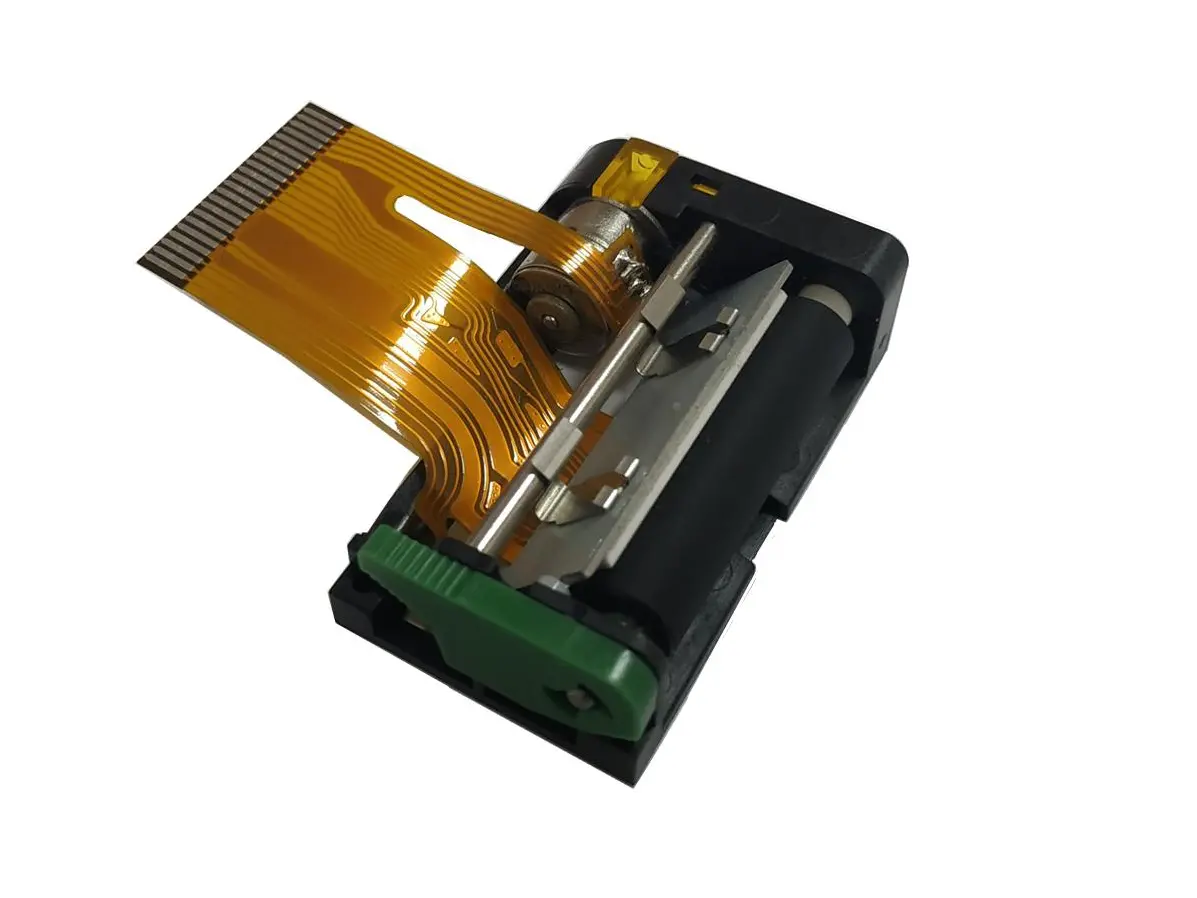 1 inch thermal printer mechanism
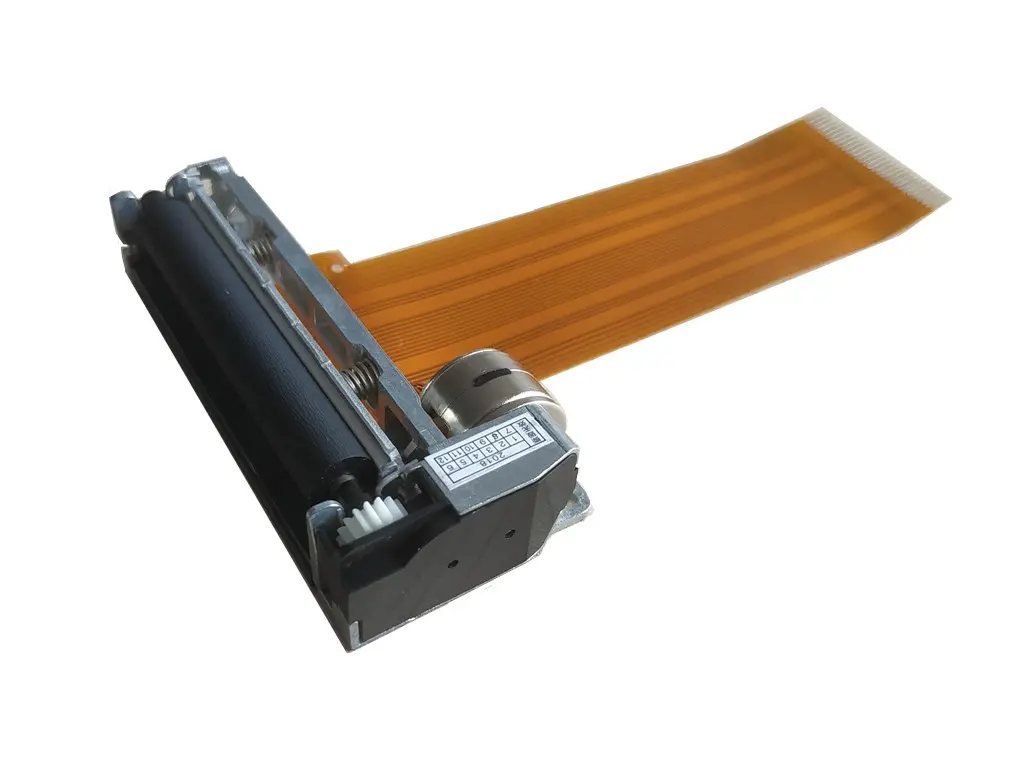 2 inch thermal printer mechanism
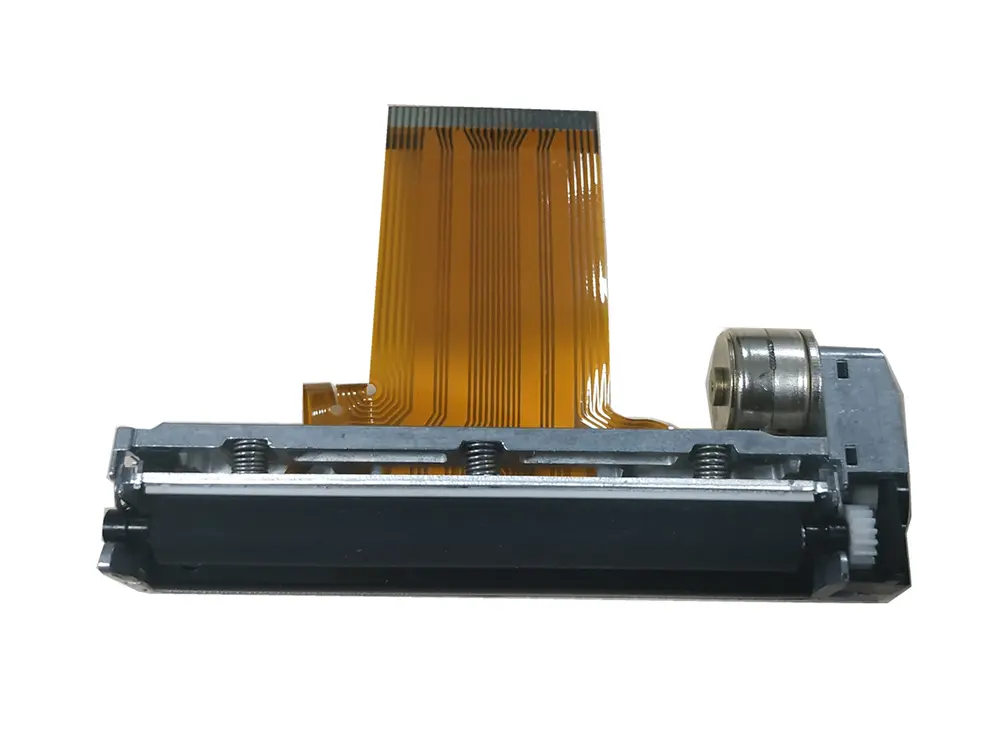 3 inch thermal printer mechanism
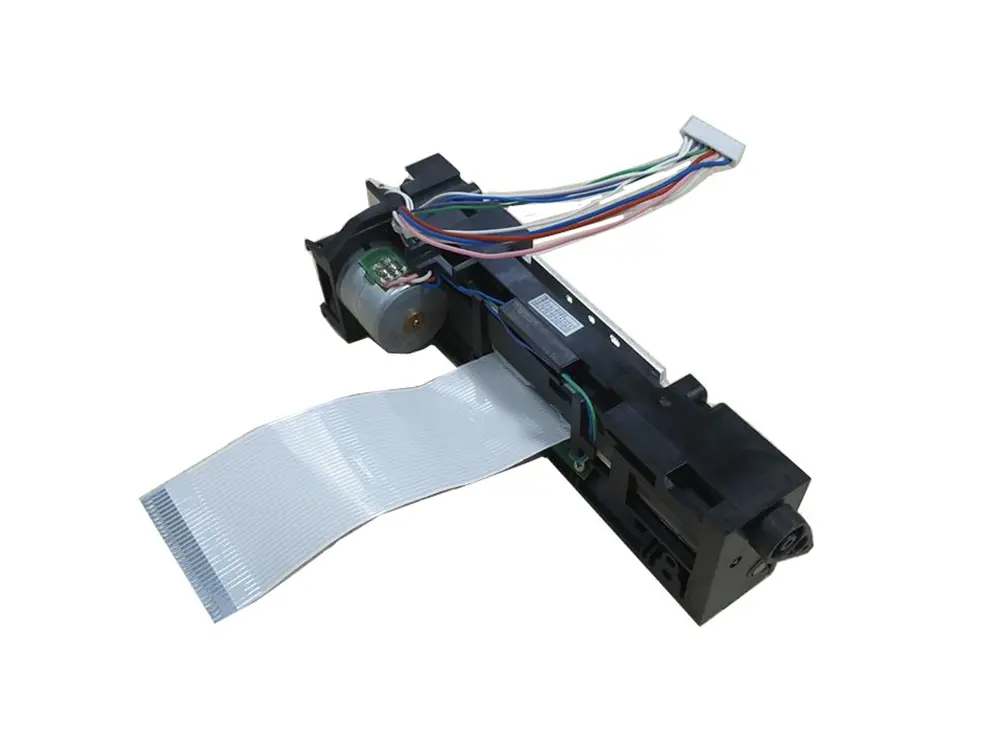 4 inch thermal printer mechanism
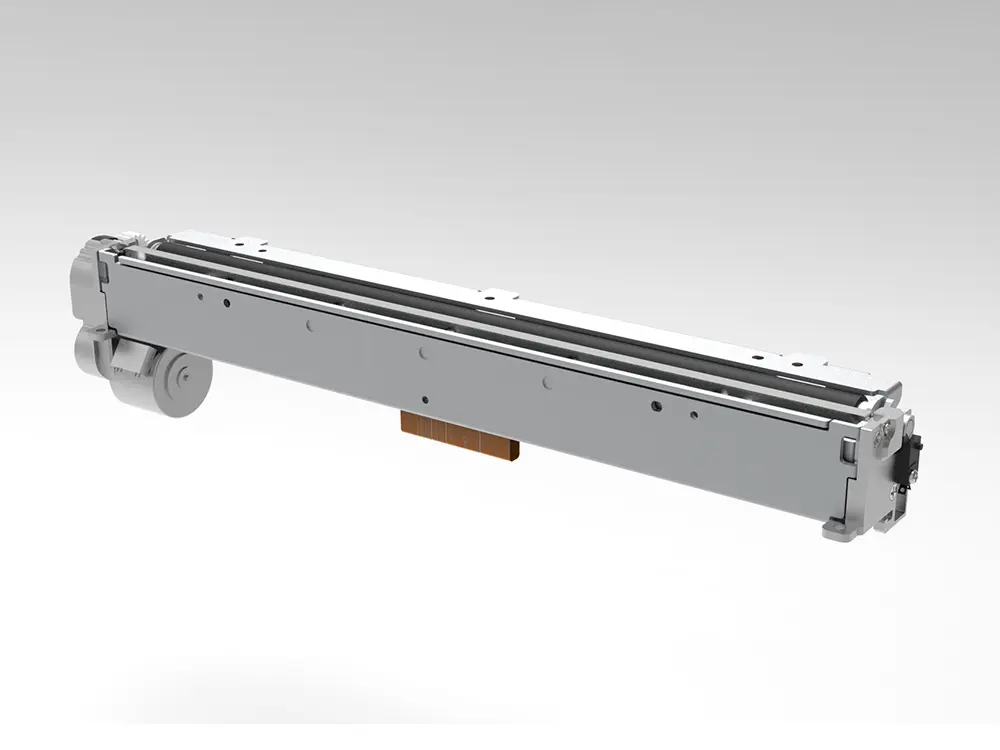 8 inch thermal printer mechanism
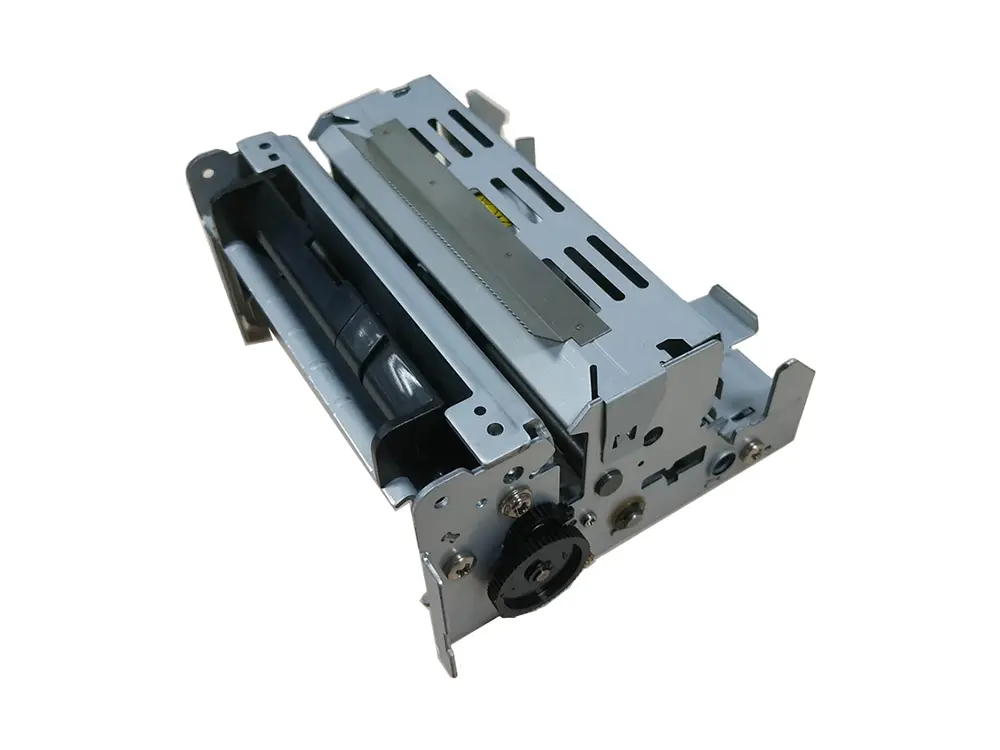 dot matrix printer mechanism
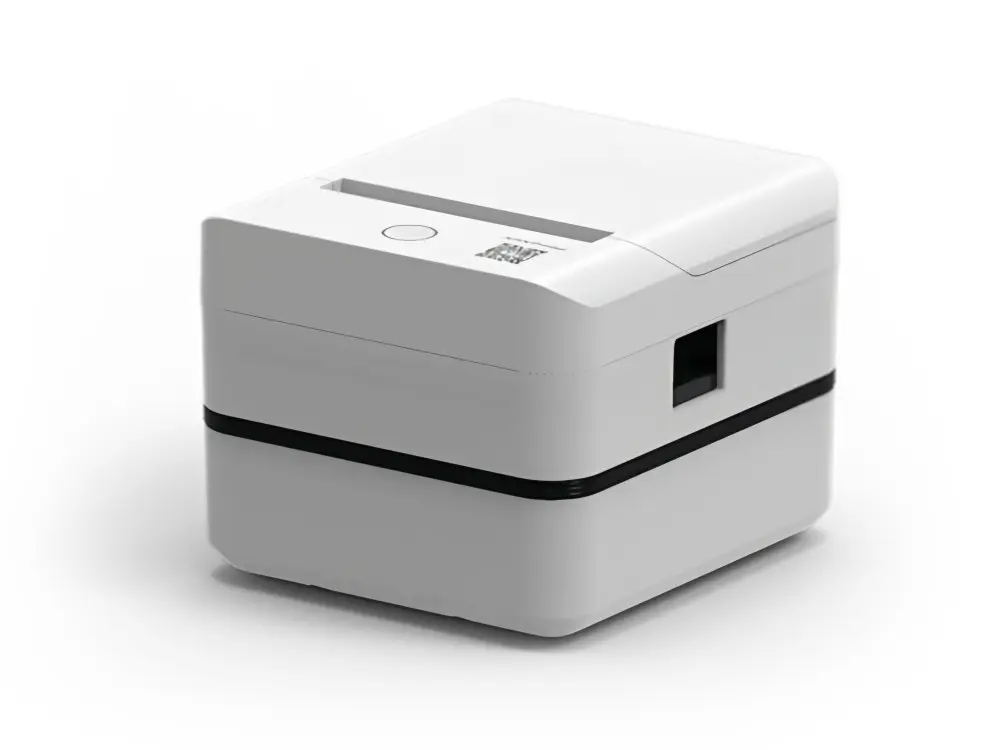 Label Printer
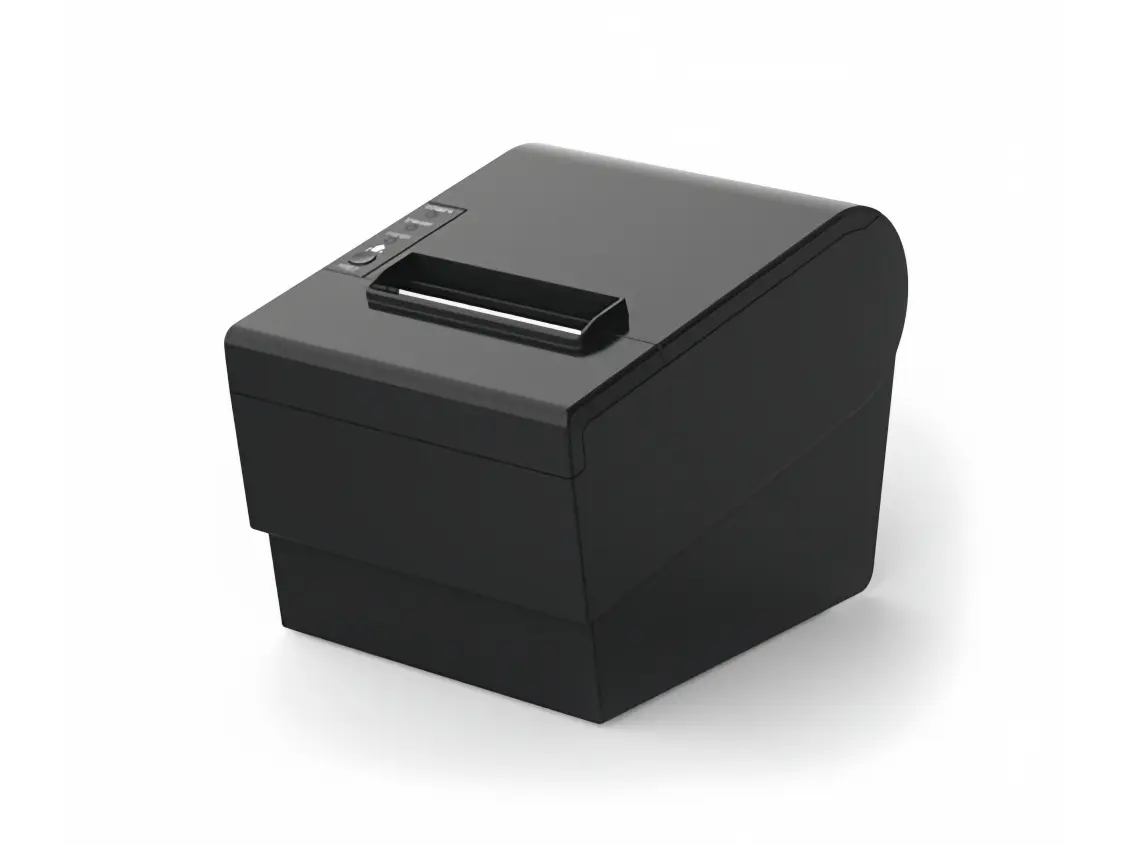 Receipt Printer
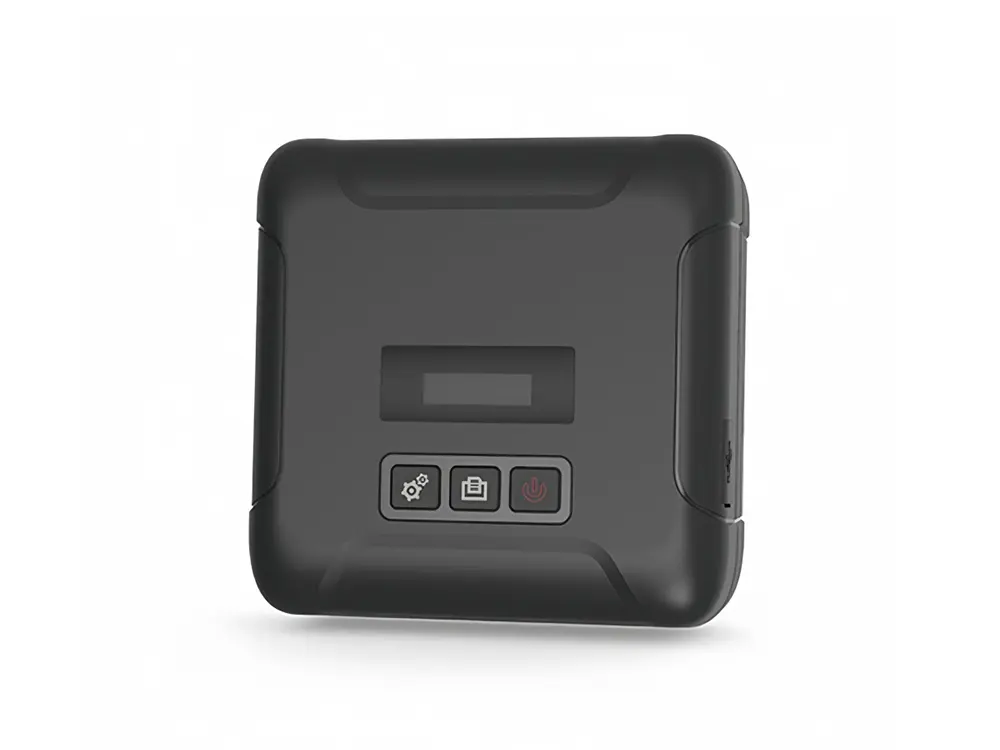 Mobile Printer