What is a Pocket Photo Printer and How Does It Work for Instant Photos
The rise of smartphone photography has transformed the way we capture and share moments in our daily lives. As the demand for instant tangible memories continues to grow, the Pocket Photo Printer has emerged as a popular solution for photography enthusiasts and casual users alike. According to a market research report by Grand View Research, the global portable printer market size was valued at approximately $2.4 billion in 2021 and is expected to expand further as consumers seek convenient and quick printing options. The advancement in printing technologies has made it feasible to produce high-quality prints from mobile devices in just a matter of seconds.
Pocket Photo Printers use specialized printing technologies, typically thermal printing or dye-sublimation, to deliver vibrant photographs directly from smartphones or tablets. These compact devices not only provide a fun way to preserve memories but also serve as an engaging tool for events and gatherings. As of recent estimates, the demand for such printers is projected to grow rapidly, with the global market for portable photo printers expected to reach $5.1 billion by 2030. With simplicity and usability at their core, Pocket Photo Printers are redefining the experience of photography, making the act of printing more accessible and immediate than ever before.

What is a Pocket Photo Printer?
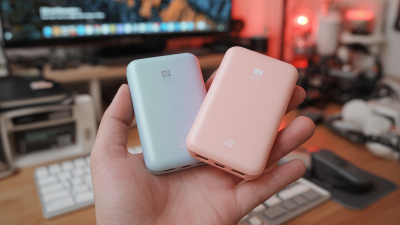
A pocket photo printer is a compact device designed to print high-quality photos directly from smartphones or tablets. Often small enough to fit in your pocket or bag, these printers have gained popularity due to their convenience and ease of use. According to a report by the Consumer Electronics Association, the portable printer market is expected to grow significantly, with an estimated increase of 30% in units sold over the next five years. This trend reflects the rising demand for instant print capabilities among users who want to capture and share memories on the go.
The technology behind pocket photo printers typically employs thermal printing or inkless printing methods, which allows for high-quality images without the need for traditional ink cartridges. Many models utilize Bluetooth or Wi-Fi connectivity, enabling seamless integration with smartphones. Users can often enhance their photos with filters and editing tools through associated mobile apps before printing. Market analysis indicates that nearly 60% of users prefer to print photos directly from their mobile devices, highlighting the shift towards instant, tangible photo-sharing experiences. This data underscores the relevance of pocket photo printers in a digital age, where immediacy and accessibility are paramount.
Pocket Photo Printer Usage Statistics
Key Features of Pocket Photo Printers
Pocket photo printers have gained popularity for their convenience and portability, making it easy to print photos on the go. Key features of these devices enhance their usability and output quality, allowing users to create lasting memories instantly. One standout feature is the compact design, which often fits in a pocket or small bag, making it an ideal companion for events, travels, or everyday moments. Their Bluetooth connectivity enables seamless pairing with smartphones or tablets, allowing users to print directly from their photo libraries or social media apps.
Another important feature is the use of different printing technologies, such as Dye Sublimation or ZINK (Zero Ink), which creates high-quality, vibrant prints. These methods ensure that the printed photos are water-resistant and fade-resistant, giving them longevity. Many pocket photo printers also come with companion apps that offer editing tools, filters, and templates, allowing users to customize their photos before printing. Some models include built-in batteries for wireless operation, further enhancing portability. With these key features, pocket photo printers not only simplify the printing process but also elevate the overall experience of capturing and sharing moments.
How Pocket Photo Printers Work
Pocket photo printers have revolutionized the way we capture and share memories instantly. These compact devices utilize specialized printing technology—most commonly dye-sublimation or ZINK (zero ink) printing—to produce high-quality photographs directly from smartphones or digital cameras. The process typically involves sending a digital image via Bluetooth or Wi-Fi to the printer, which then prints the image layer by layer, ensuring vibrant colors and fine details.
For optimal results, consider using high-resolution images to enhance the printing quality. Additionally, familiarize yourself with your printer's settings and capabilities, as many models offer customizable options like filters and frames that can enhance the final product.
When using pocket photo printers, ensure the paper or printing materials are compatible with your specific device to avoid malfunctions or poor-quality prints. It's also advisable to have extras on hand for special occasions or gatherings, as the allure of instant prints can lead to fun photo sessions with friends and family.
Types of Printing Technologies Used
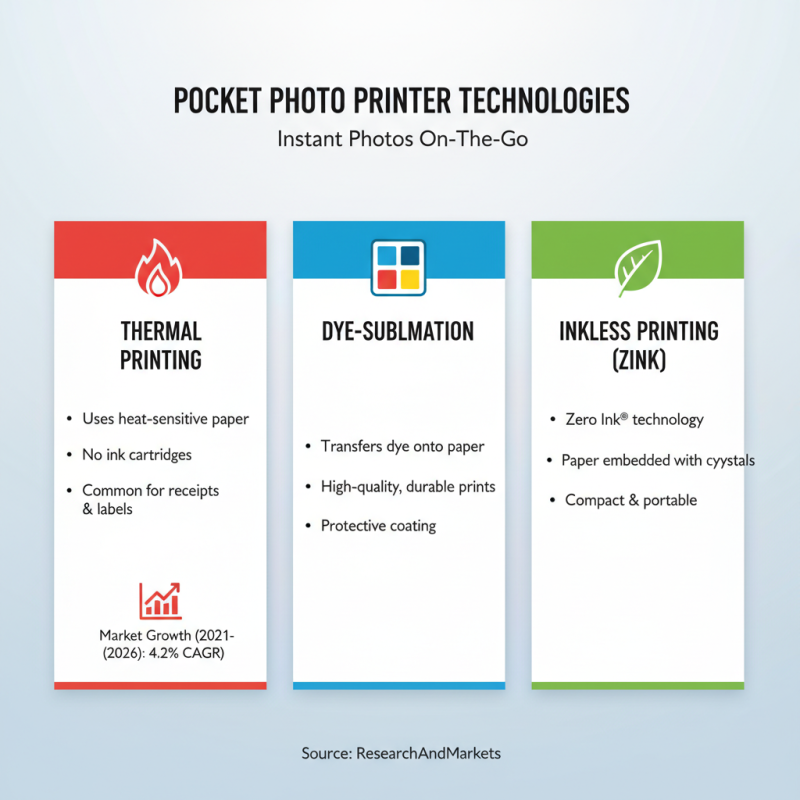
Pocket photo printers utilize a variety of printing technologies to deliver instant photos directly from a smartphone or other digital devices. Key technologies include thermal printing, dye-sublimation printing, and inkless printing. Thermal printing is one of the most commonly used methods, where heat is applied to special thermal paper to create images. According to a report by ResearchAndMarkets, the thermal printing market is expected to grow at a compound annual growth rate (CAGR) of 4.2% from 2021 to 2026, indicating a robust demand for portable printing solutions.
Another prevalent technology is dye-sublimation printing, which involves transferring dye onto paper through heat and pressure. This method produces high-quality images with vibrant colors and is favored for its durability and resistance to fading. A study from Technavio highlights that the dye-sublimation segment is projected to witness significant growth, driven by advancements in imaging technology and increasing consumer preferences for instant photography. Furthermore, inkless printing has gained traction, where special paper contains embedded dye crystals activated by heat, allowing for smudge-proof, water-resistant prints.
Each technology brings unique benefits to the user experience, catering to different preferences in terms of print quality, speed, and convenience. As the popularity of pocket photo printers continues to rise, understanding these printing technologies can help consumers make informed choices that align with their instant printing needs.
Benefits of Using a Pocket Photo Printer
Pocket photo printers have gained popularity for their convenience and ability to produce instant photos on the go. These compact devices allow users to print pictures directly from their smartphones, capturing beautiful moments in tangible form. The technology works by utilizing thermal printing or dye-sublimation methods, which produce high-quality images that can be shared instantly with friends and family.
One of the primary benefits of using a pocket photo printer is the ease of creating physical memories. With just a few taps on your smartphone, you can print your favorite snapshots anytime, anywhere. This can enhance your social gatherings, as guests can take home printed photos as keepsakes. Moreover, the portability of these printers means you can carry them in your bag, making them ideal for events like parties, weddings, or travel.
**Tips:** When using a pocket photo printer, consider the lighting conditions where you'll be printing. Natural light can enhance photo quality, so plan to print in well-lit environments. Additionally, keep various backgrounds and props handy to make your photos more interesting before printing for that extra personal touch. Finally, explore the editing features in your phone's photo app to ensure your images look perfect before hitting print!

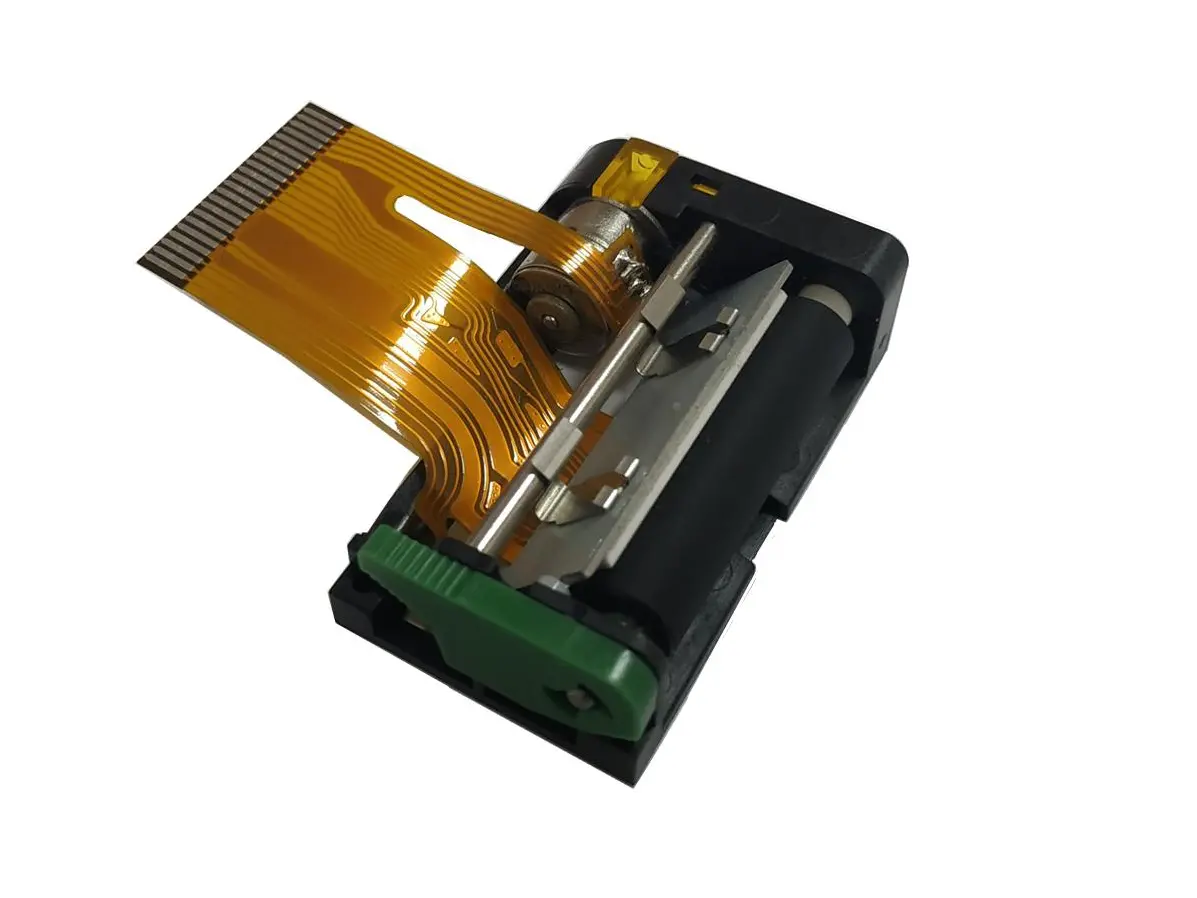 1 inch thermal printer mechanism
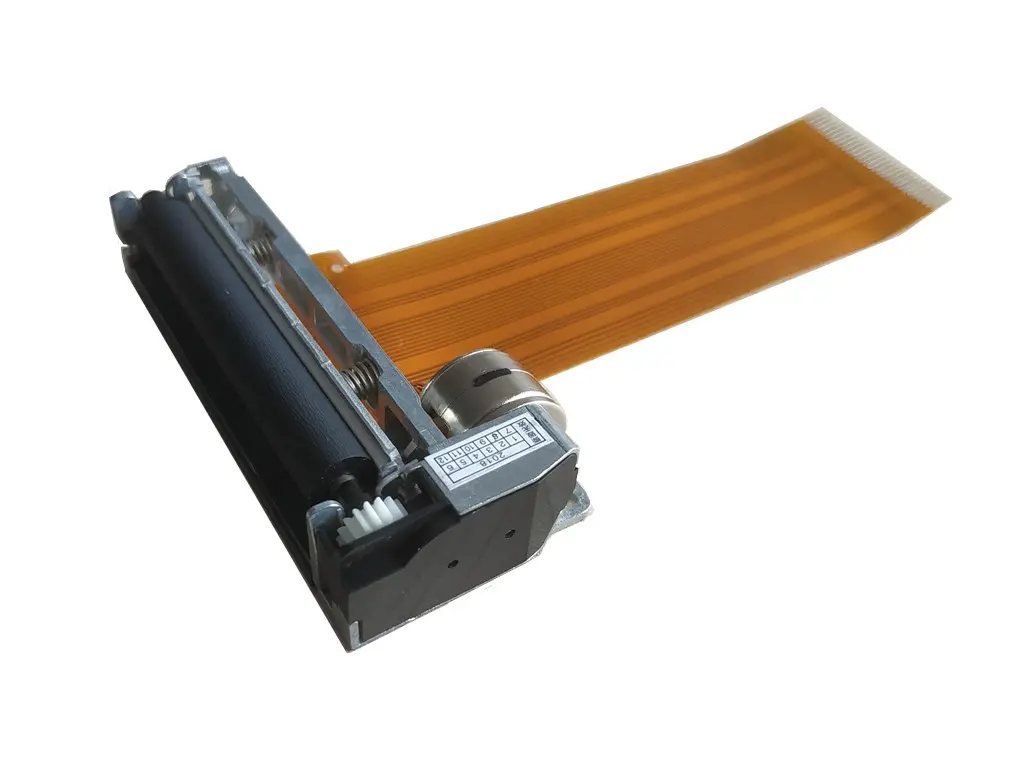 2 inch thermal printer mechanism
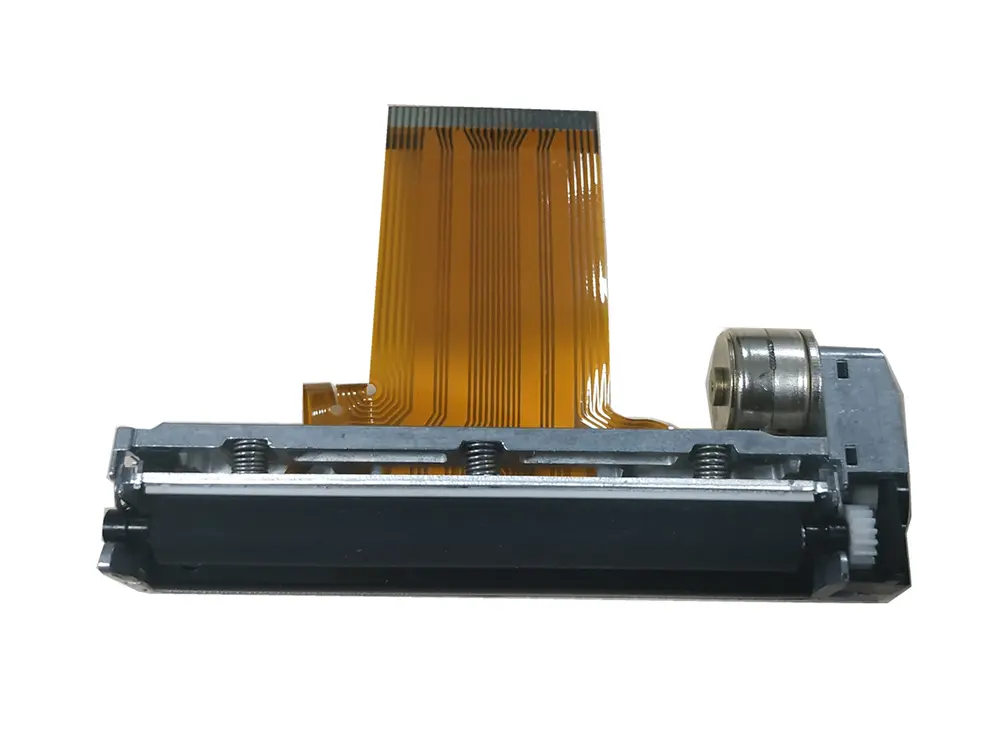 3 inch thermal printer mechanism
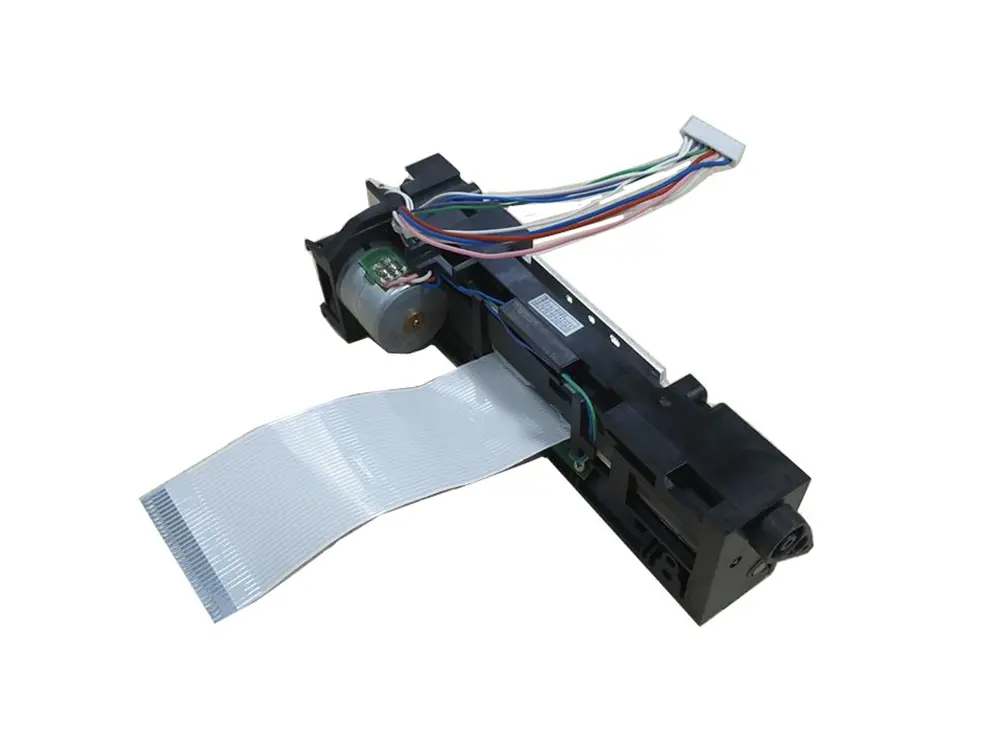 4 inch thermal printer mechanism
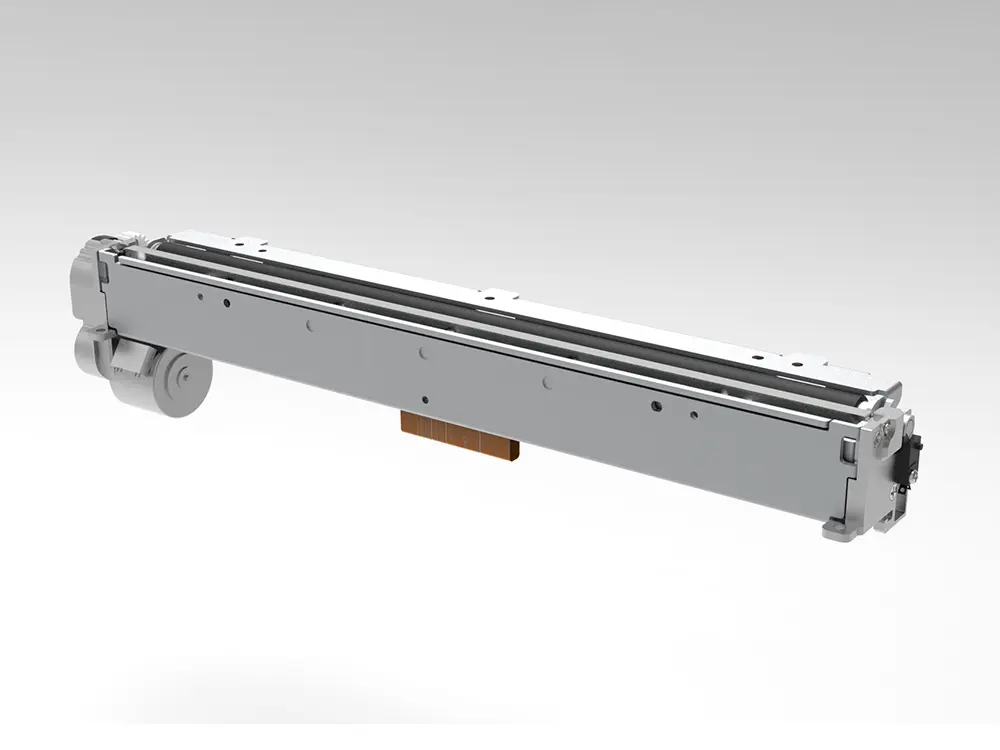 8 inch thermal printer mechanism
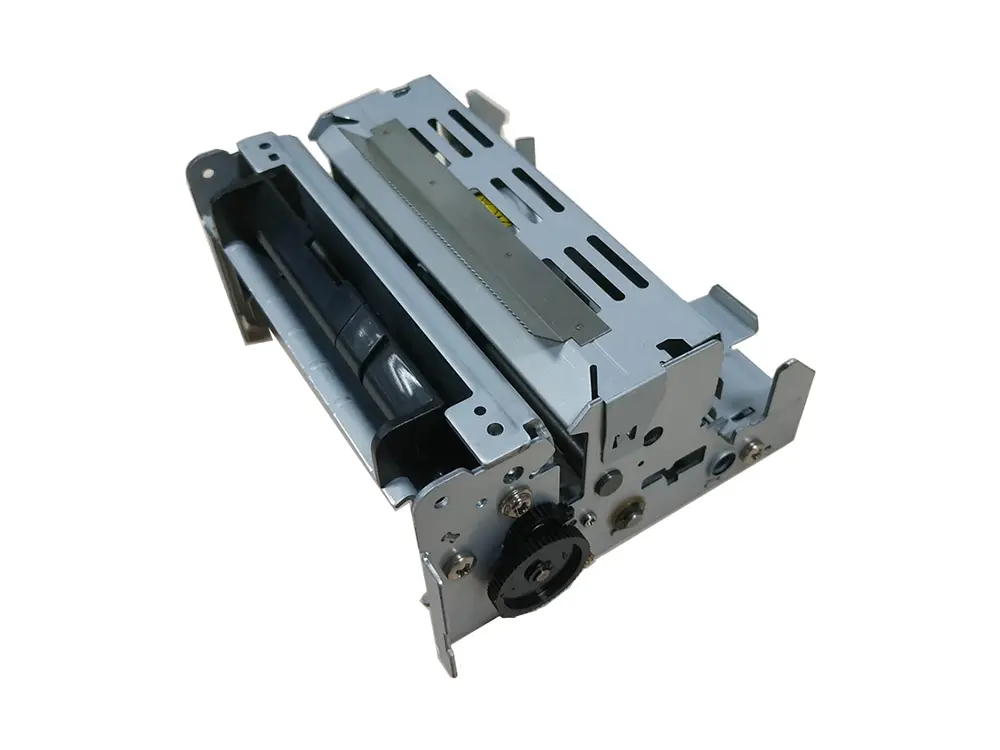 dot matrix printer mechanism
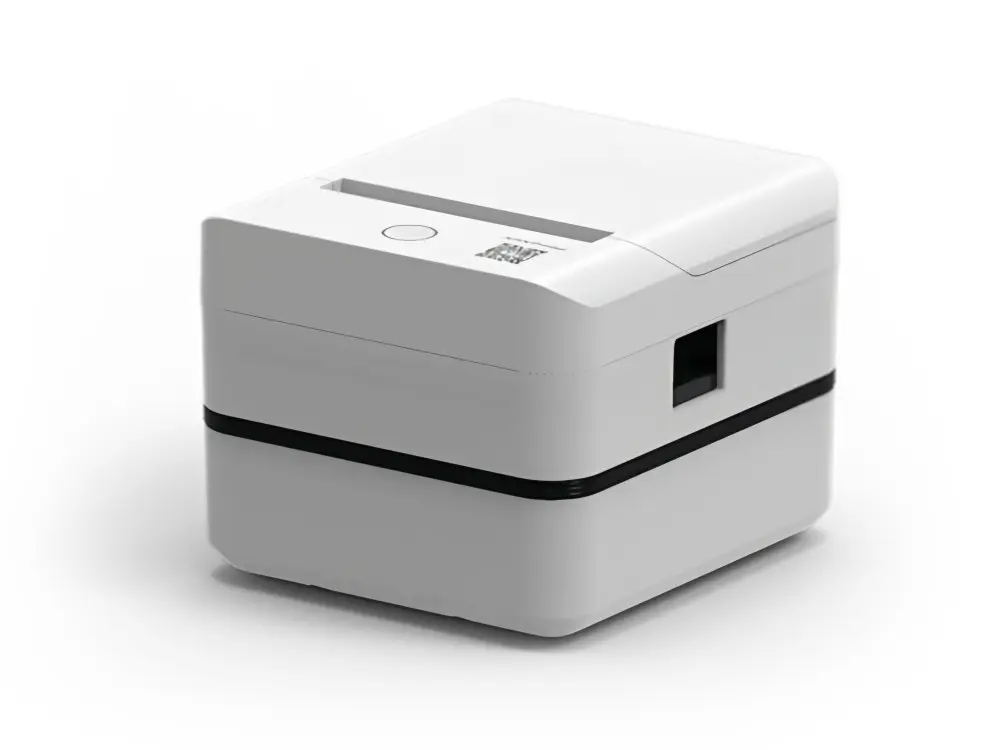 Label Printer
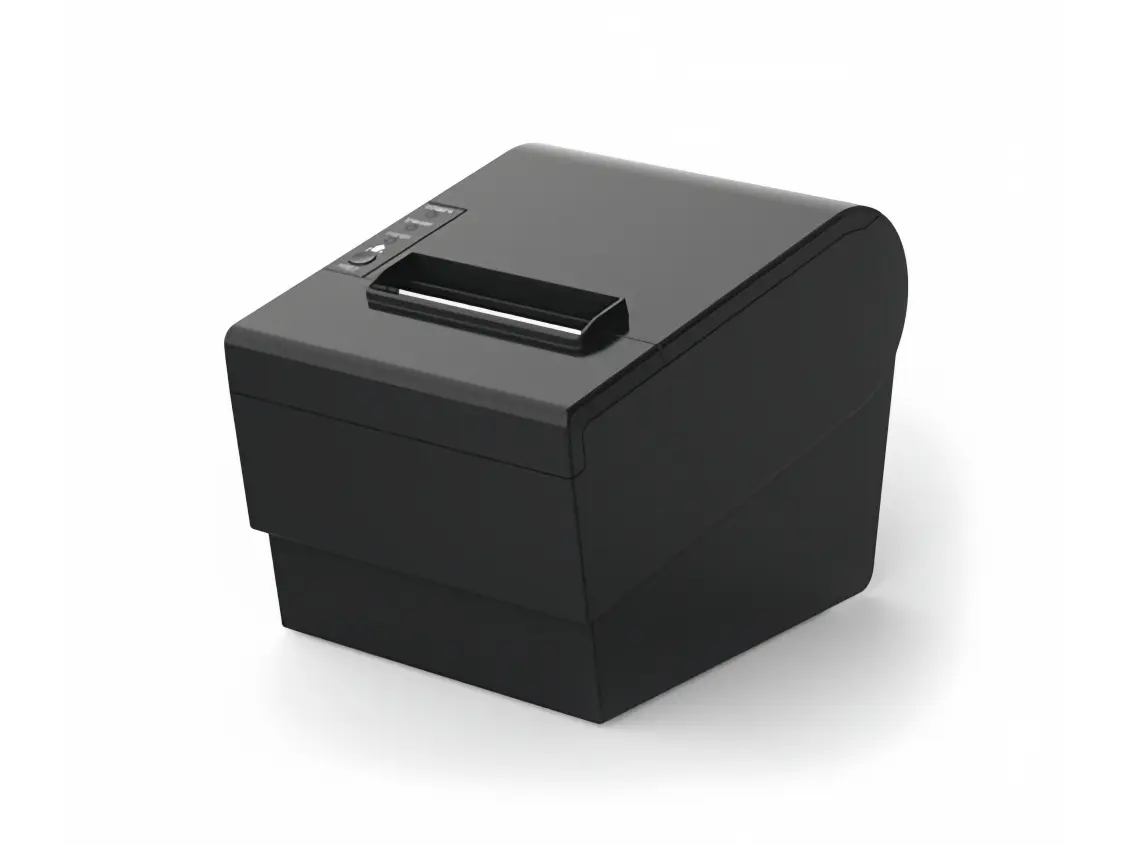 Receipt Printer
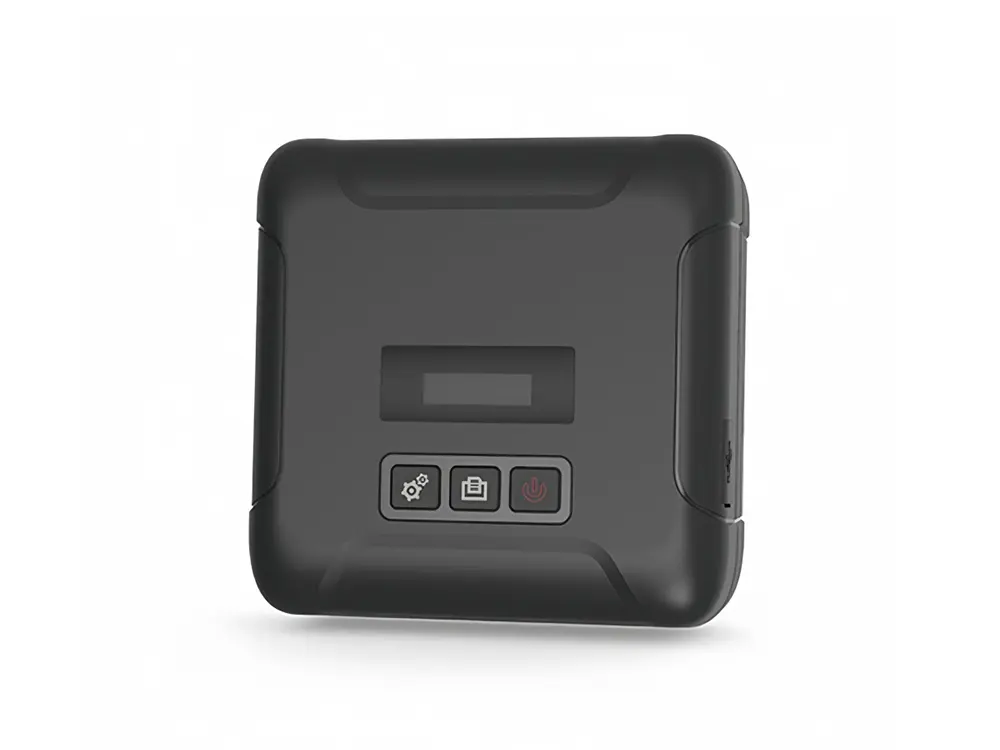 Mobile Printer