2025 How to Choose the Best Mini Pocket Printer for Your Needs
In today's fast-paced world, the demand for portability and convenience has led to the rising popularity of the Mini Pocket Printer. These compact devices offer the promise of printing high-quality photos and documents on the go, making them indispensable for students, travelers, and anyone who enjoys capturing and sharing memories in a tangible form. However, with a myriad of options available in the market, selecting the right Mini Pocket Printer tailored to your specific needs can be a daunting task.
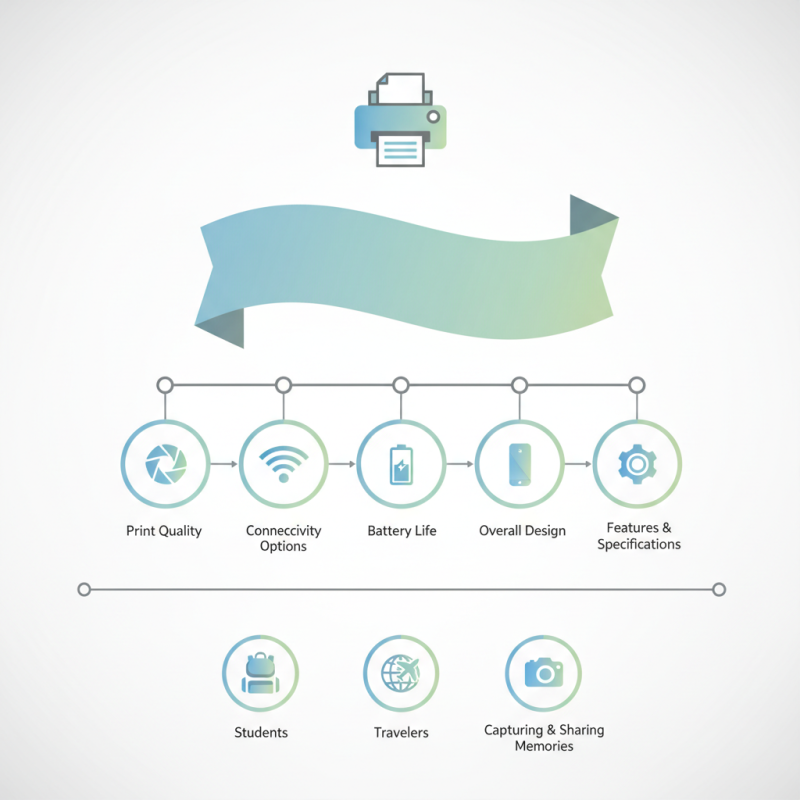
When considering a Mini Pocket Printer, it is essential to evaluate factors such as print quality, connectivity options, battery life, and overall design. These elements play a crucial role in determining the printer’s usability and how well it will fit into your lifestyle. Furthermore, understanding the various features and specifications that different models offer can help you make an informed choice that aligns with your printing preferences and intended use. As we delve deeper into the selection process, this guide will provide vital insights and tips to ensure you choose the best Mini Pocket Printer that meets your needs effectively and enhances your printing experience.
Understanding Mini Pocket Printers: Key Features to Consider
When considering a mini pocket printer, it’s essential to understand the key features that will meet your specific needs. One of the first aspects to take into account is the printing technology used by the device. Thermal printing is common among mini printers, offering quick and efficient printing, while ink-based models may provide higher quality color output. Additionally, assess the connectivity options available, such as Bluetooth or Wi-Fi, which will allow you to easily print from your smartphone or tablet.
Another crucial feature to evaluate is the battery life of the mini pocket printer. A longer battery life means you can print more pages on the go without the hassle of frequently recharging. The overall size and weight of the printer also play an important role in portability. Compact designs that are lightweight will ensure you can carry your printer effortlessly in your bag. Furthermore, consider the print resolution, as this will affect the clarity and detail of your images or documents. Choosing the right mini pocket printer involves a thorough analysis of these factors to find a model that perfectly aligns with your printing needs.
Assessing Print Quality: Resolution and Ink Technology Explained
When choosing a mini pocket printer, assessing
print quality is essential for ensuring that your needs are met. Print resolution,
typically measured in DPI (dots per inch), is a crucial factor affecting the
clarity and detail of your prints. Higher DPI values indicate finer detail, making
them ideal for photos or intricate graphics. For everyday tasks like printing
receipts or simple documents, a resolution of around 300
DPI is usually sufficient, while photographic prints might benefit from
resolutions of 600 DPI or higher.
Ink technology also plays a significant role in print quality. There are different
types of ink systems, such as dye-based and
pigment-based inks, each with its own
advantages. Dye-based inks are generally more vibrant and suitable for colorful
images, but they may fade over time and are less resistant to water. On the other
hand, pigment-based inks are more durable and fade-resistant, making them better
for archival purposes and outdoor use. Understanding these factors can help you
select a mini pocket printer that not only
fits your portable needs but also delivers the print quality you desire.
Portability Factors: Size, Weight, and Battery Life Essentials
When selecting the best mini pocket printer to suit your needs, portability is a critical aspect to consider, particularly focusing on size, weight, and battery life. According to a recent industry report by MarketsandMarkets, the global mini printer market is expected to grow significantly, reaching a value of over $2 billion by 2025. This boom indicates an increasing demand for portable printing solutions that cater to users on the go.
The size and weight of a mini pocket printer directly influence its convenience. Most leading models weigh between 200 to 300 grams and have dimensions small enough to fit comfortably in a handbag or backpack. This compactness does not only enhance portability but also allows users to easily carry their printer for various occasions, such as travel, events, or impromptu meetings. Additionally, advancements in battery technology have resulted in printers that can provide extended service, with many offering battery lives of 20 hours or more. This ensures that the printers remain functional throughout the day without needing constant recharging, which is essential for users who rely on them during busy outings or professional engagements.
Connectivity Options: Bluetooth, Wi-Fi, and Mobile App Compatibility
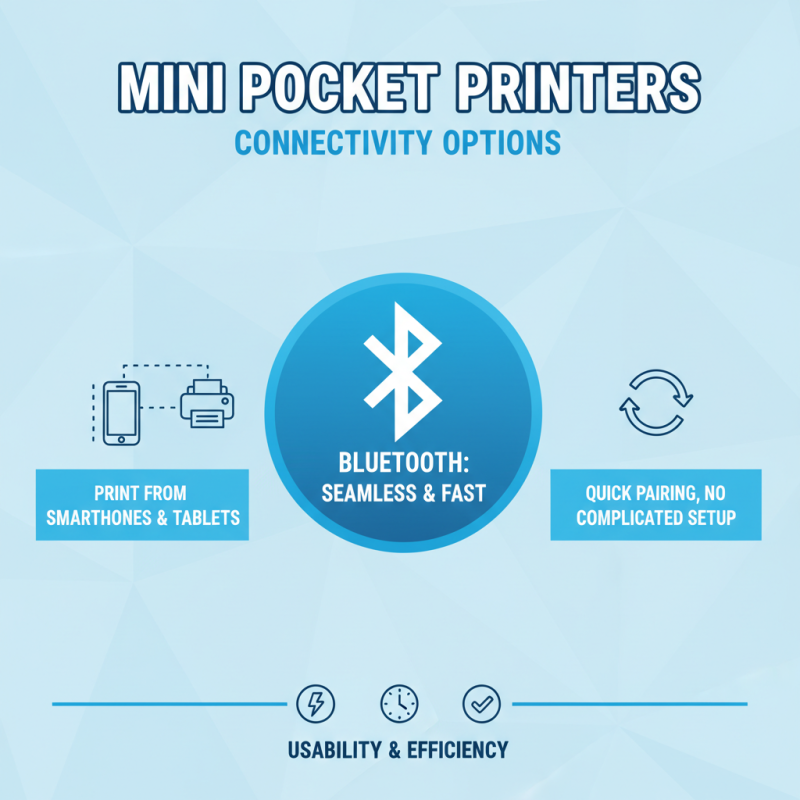
When choosing the best mini pocket printer, connectivity options play a crucial role in determining usability and efficiency. One of the most popular connection methods is Bluetooth, which offers a seamless experience for printing documents and photos directly from smartphones and tablets. Bluetooth connectivity allows for quick pairings without the need for complicated setups, making it ideal for on-the-go printing. Users can easily send files to the printer from their devices, ensuring convenience and speed during urgent printing tasks.
Another important option is Wi-Fi connectivity, which provides an alternative way to print from multiple devices within a network. This feature is particularly beneficial in situations where several users need access to a single printer. With Wi-Fi, users can print from laptops, smartphones, or tablets without being tethered to the printer itself. Additionally, printers that support mobile app compatibility can enhance the user experience further. These apps often come with added functionalities, such as photo editing tools, print customization options, and easy access to cloud storage, allowing for versatile printing solutions that cater to various needs.
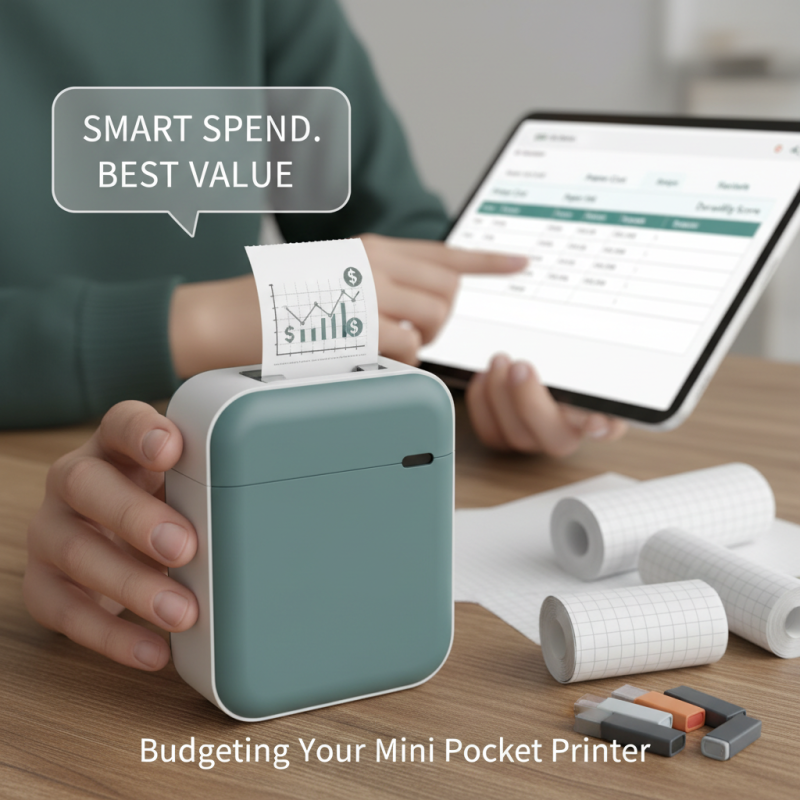
Budgeting for Your Mini Pocket Printer: Cost vs. Value Analysis
When considering a mini pocket printer, budgeting plays a crucial role in ensuring you get the best value for your money. It's essential to recognize that the initial cost of the printer often does not reflect its long-term value. While a lower-priced model might be appealing, it might lack essential features or durability, leading to higher overall costs due to replacements or additional expenses on accessories like paper or ink. Assessing what you truly need and how often you'll use the printer can help you avoid overspending on unnecessary features.
**Tips:** Prioritize functionalities that match your needs. Do you require wireless capabilities, or is portability your main concern? Evaluate models that offer the best balance of features and price based on your frequency of use. Checking user reviews can provide insights into the product's reliability and longevity.
In addition to the printer itself, remember to account for recurring costs involved in printing, such as paper and ink. Some models might have lower print costs but higher prices for consumables. Analyzing these factors holistically will help you choose a mini pocket printer that fits your budget while still delivering quality prints for your personal or professional projects.
**Tips:** Set a total budget that includes both the printer and ongoing costs. This will ensure you’re financially prepared for any additional expenses that may arise after your initial purchase.

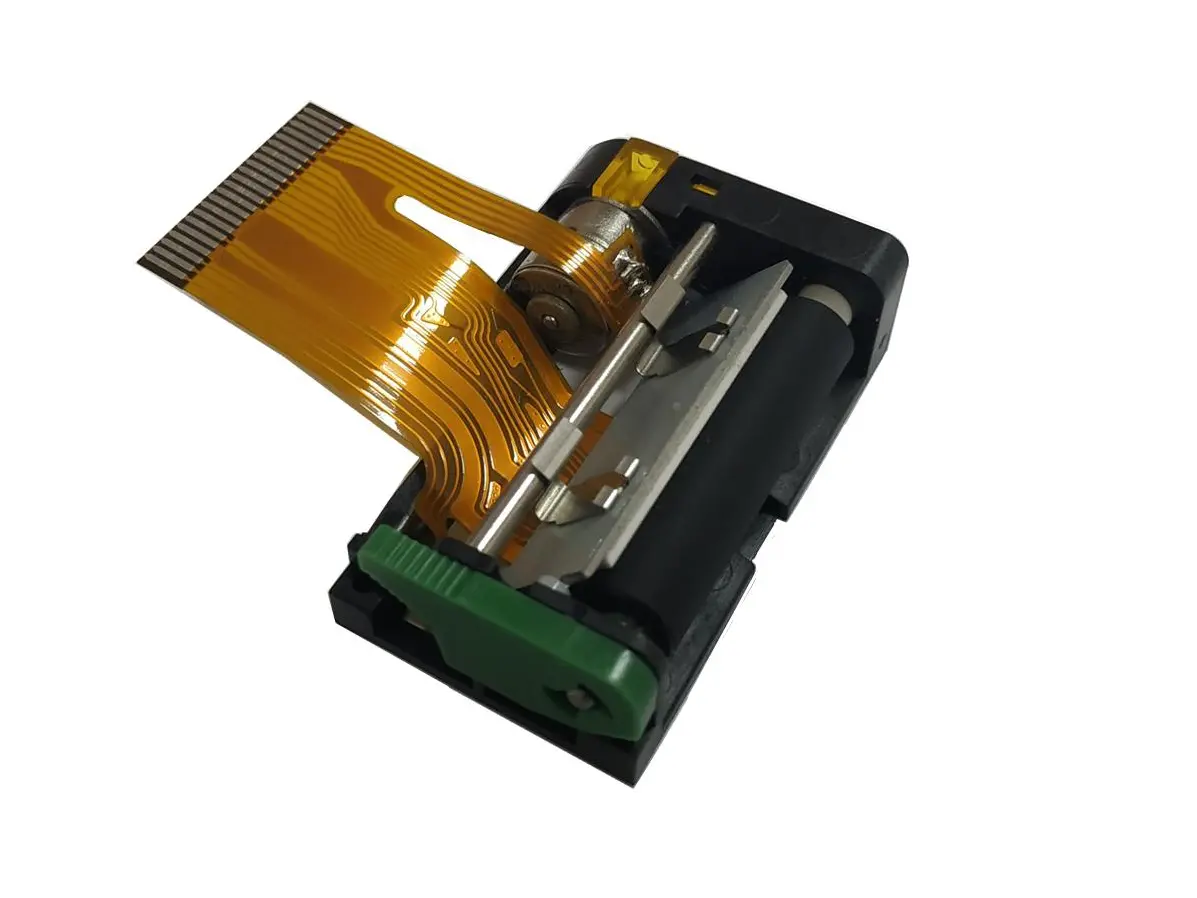 1 inch thermal printer mechanism
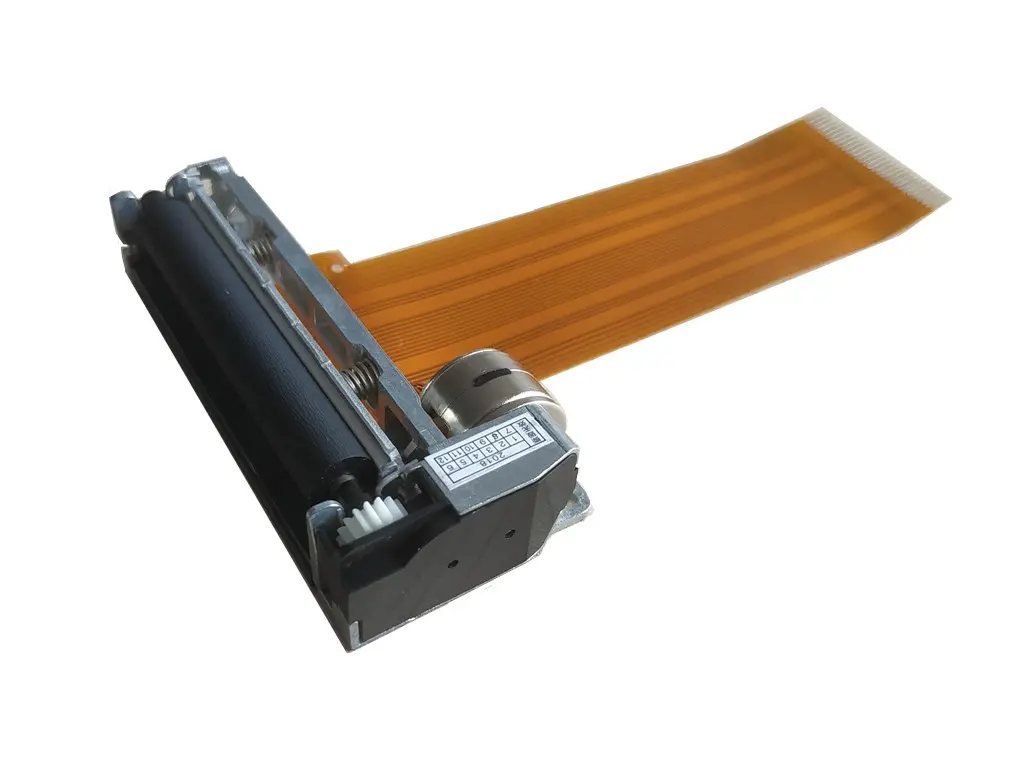 2 inch thermal printer mechanism
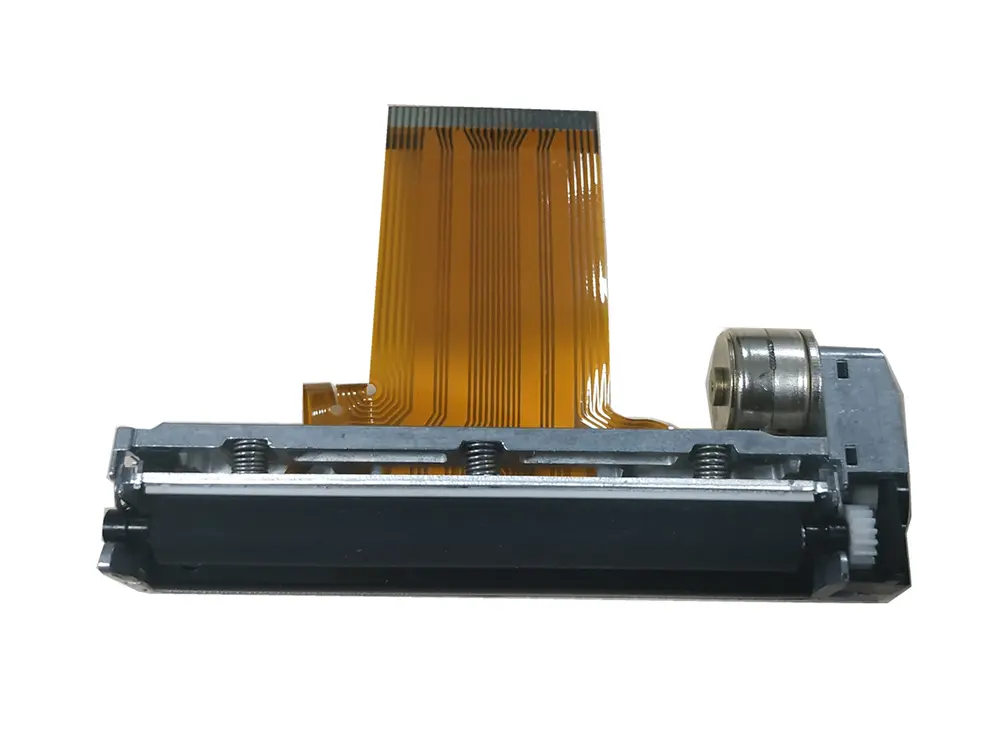 3 inch thermal printer mechanism
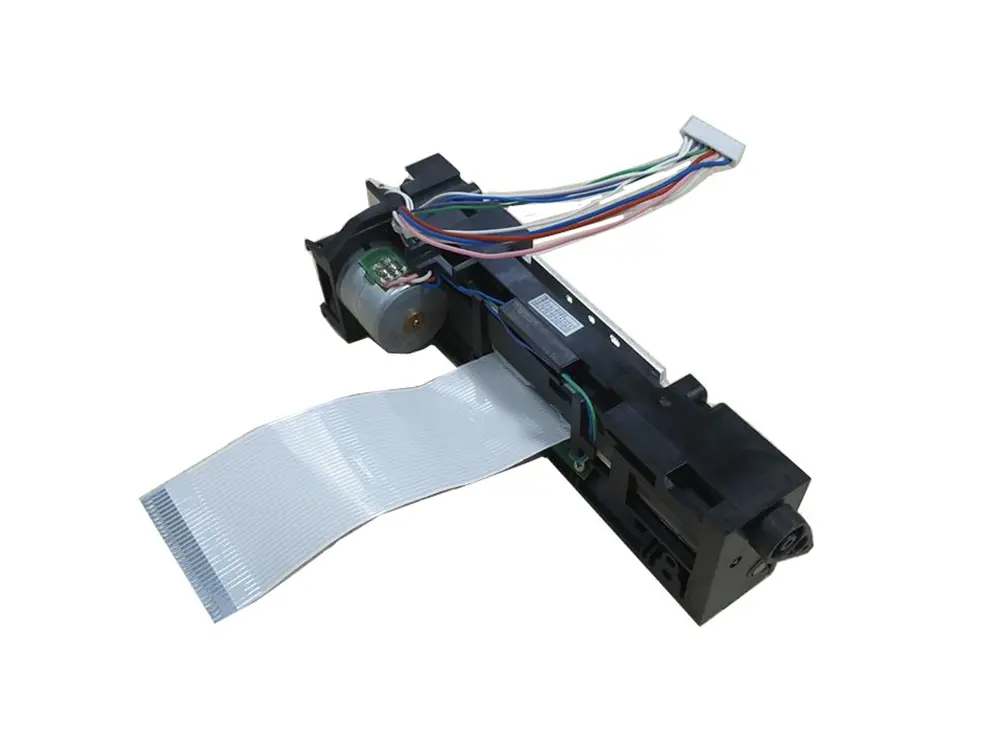 4 inch thermal printer mechanism
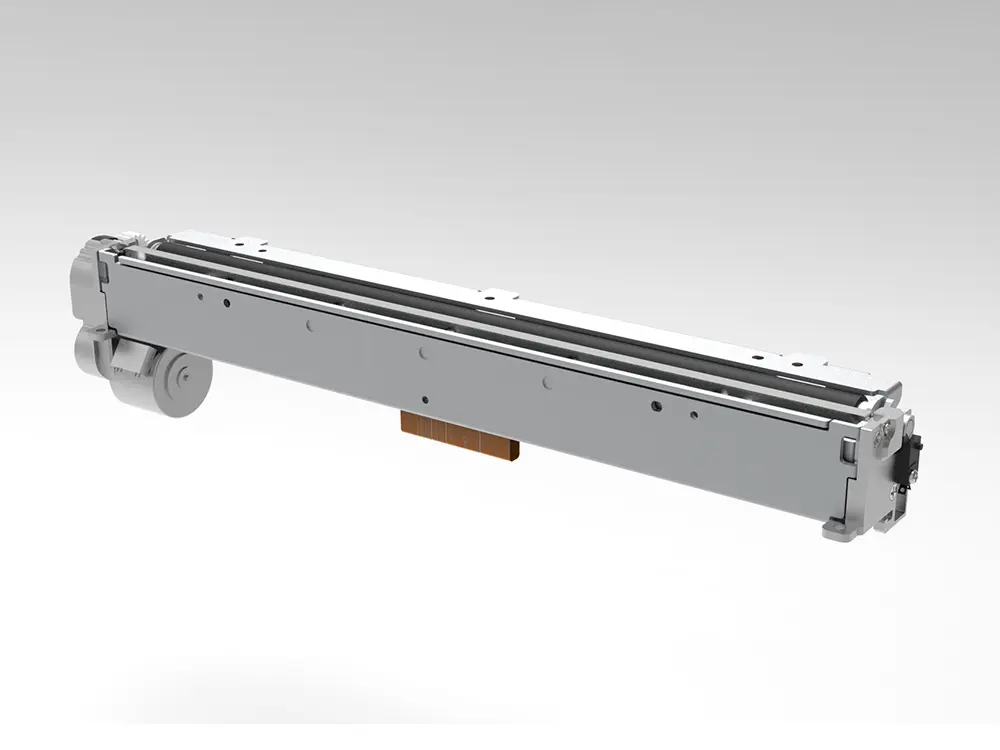 8 inch thermal printer mechanism
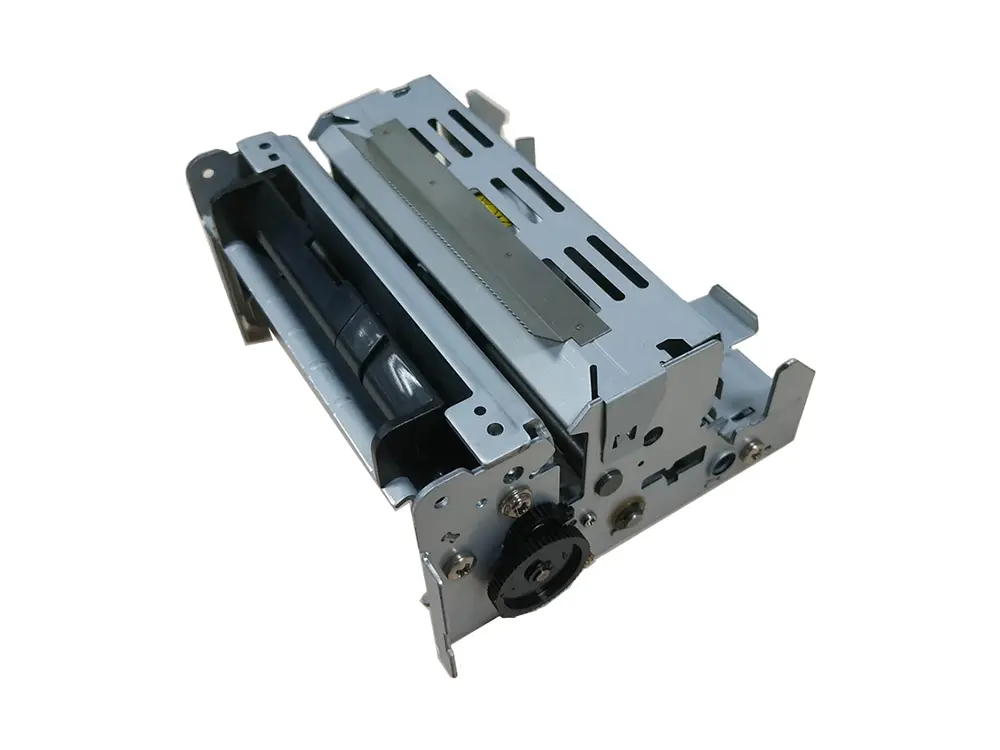 dot matrix printer mechanism
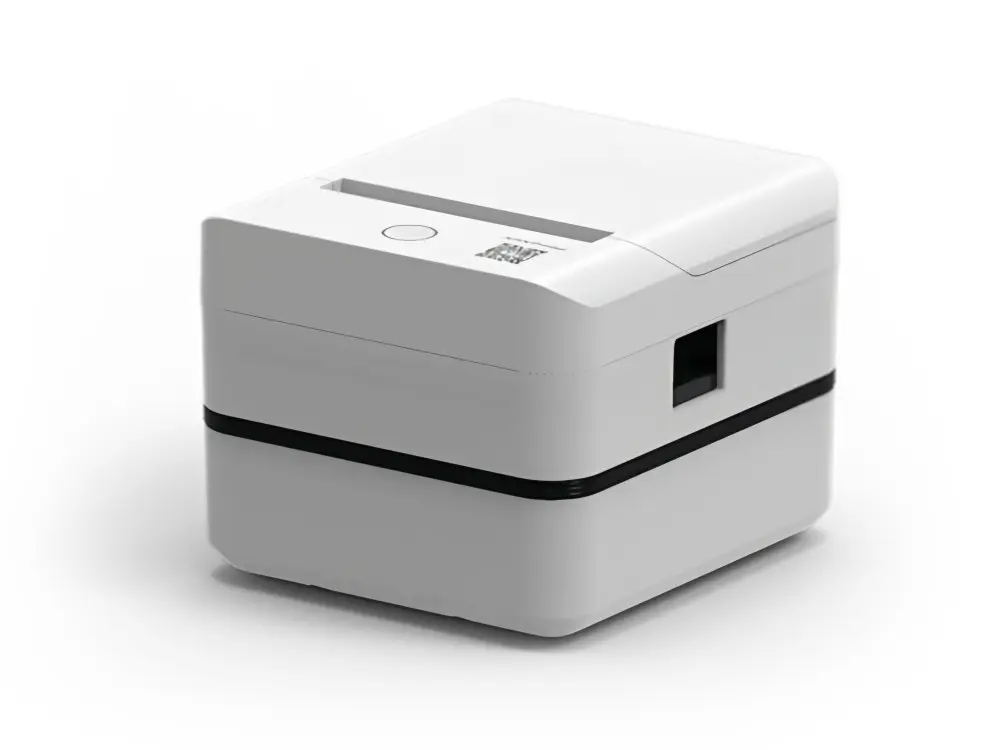 Label Printer
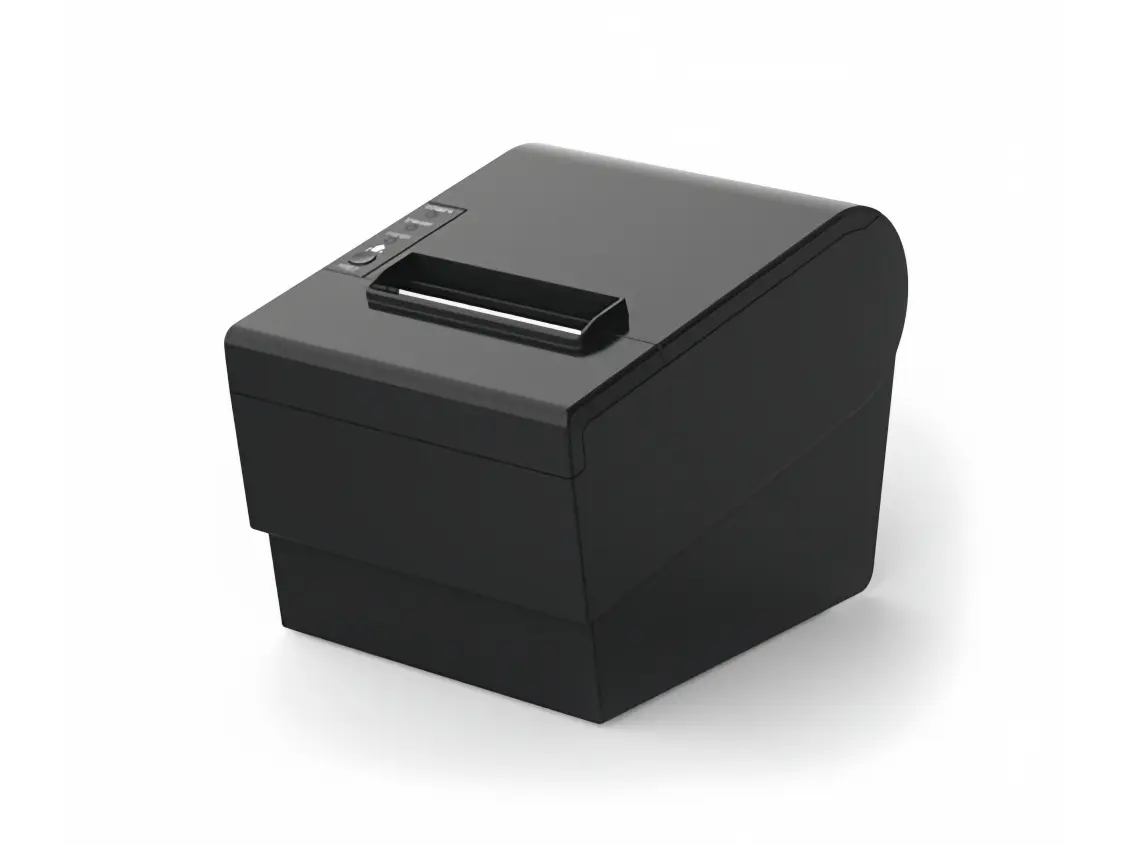 Receipt Printer
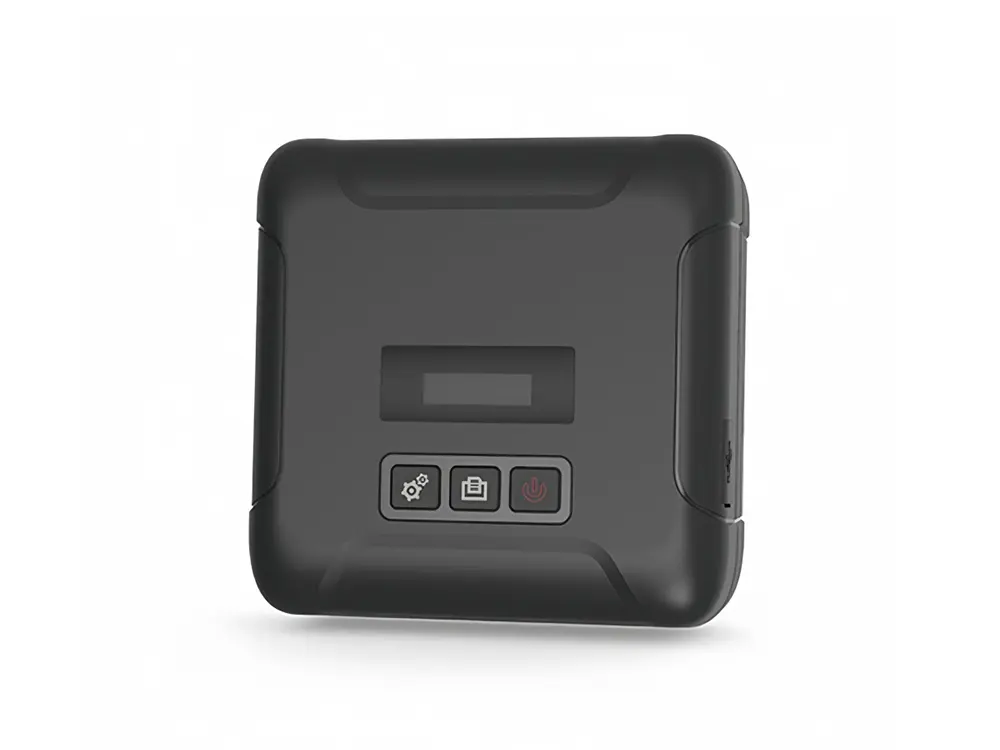 Mobile Printer