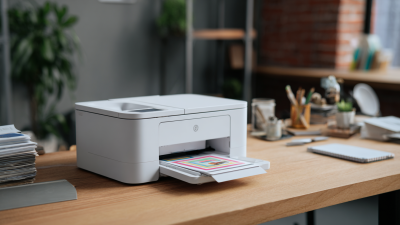
Top 10 Tips for Efficient Barcode Printing in Your Business
In today’s fast-paced business environment, efficient barcode printing has become essential for maintaining operational efficiency and accuracy. As Joseph Graham, an industry expert in Printing Barcodes, aptly puts it, “The right barcode printing strategies can not only streamline inventory management but also enhance the overall customer experience.” This statement underscores the significance of mastering barcode printing techniques in a competitive market.
With the increasing reliance on automated systems and technology in retail and logistics, businesses must recognize the value of optimizing their barcode printing processes. This shift not only reduces human error but also ensures that products are easily trackable throughout the supply chain. As companies strive for better inventory control and customer satisfaction, adopting best practices in Printing Barcodes can be the game changer they need.
This article aims to unveil the top ten tips for efficient barcode printing that can elevate your business operations. Whether you are new to the concept or looking to refine your existing practices, leveraging these insights will help you realize the full potential of barcode technology in enhancing both productivity and effectiveness in your daily operations.

Understanding the Importance of Efficient Barcode Printing
Efficient barcode printing is crucial for businesses as it plays a significant role in inventory management, sales tracking, and customer satisfaction. Barcodes streamline operations by facilitating quick information retrieval and reducing human error. When products have clear and scannable barcodes, it minimizes the chances of mislabeling and enhances the speed of transactions at checkout. This efficiency leads to improved workflow and ultimately affects the bottom line positively, showcasing the importance of high-quality barcode printing in the everyday functioning of a business.
Moreover, understanding the importance of efficient barcode printing goes beyond operational benefits; it also impacts customer experience. In an era where consumers expect fast and seamless service, having reliable barcodes ensures that products are easily identifiable and checkout processes are swift. This efficiency not only satisfies customer demands but also fosters brand loyalty. Investing in proper barcode printing methods can lead businesses to not only save time and resources but also create a more professional image, which is invaluable in today's competitive market.
Choosing the Right Barcode Printer for Your Business Needs
Choosing the right barcode printer for your business needs is crucial to ensure efficient operations and accurate inventory management. When selecting a printer, consider your specific requirements, such as the volume of labels you need to produce, the types of materials you'll be printing on, and the environment in which the printer will be used. For example, industrial printers are designed for high-volume printing and durability, making them perfect for warehouses, while compact models may be ideal for retail settings.
One important tip is to evaluate the print quality. The clarity of your barcodes can determine scanning success, so opt for printers that offer high-resolution printing options. Additionally, consider the speed of the printer. If your business demands frequent label changes or high output, a faster printer will enhance productivity and minimize downtime.
Another significant factor is connectivity options. Ensure the printer you choose is compatible with your existing systems, whether that be wired or wireless connections. This will streamline your printing process and allow for seamless integration with your inventory management tools. Prioritizing these aspects will help you find a barcode printer tailored to your operational needs, leading to a more efficient workflow overall.
Top 10 Tips for Efficient Barcode Printing in Your Business
| Tip Number |
Tip Description |
Recommended Printer Type |
Ideal Usage Environment |
Cost Efficiency Rating |
| 1 |
Select a printer based on print volume |
Thermal Printer |
High Volume Warehouses |
High |
| 2 |
Choose the right barcode type |
Inkjet Printer |
Retail Settings |
Medium |
| 3 |
Consider printer features like wireless connectivity |
Label Printer |
Office Environment |
High |
| 4 |
Test print quality across different labels |
Laser Printer |
Manufacturing Plants |
Medium |
| 5 |
Integrate printing software for automation |
Thermal Transfer Printer |
Shipping Departments |
High |
| 6 |
Plan for future scaling |
Multi-functional Printer |
Growing Businesses |
Medium |
| 7 |
Utilize high-quality labels |
Desktop Printer |
Small Offices |
High |
| 8 |
Conduct regular maintenance on printers |
Industrial Printer |
Heavy-Duty Operations |
High |
| 9 |
Stay updated with barcode standards |
Portable Printer |
Field Operations |
Medium |
| 10 |
Train staff on proper barcode printing procedures |
All-in-One Printer |
Any Business Environment |
High |
Selecting Quality Barcode Labels and Materials
When selecting quality barcode labels and materials for your business, it's essential to consider the specific needs of your application. The type of label you choose can greatly impact the efficiency and accuracy of your barcode printing. For instance, think about the environment in which the labels will be used. If they are exposed to moisture, heat, or chemicals, choosing a durable and weather-resistant material, such as synthetic options, can ensure that the barcodes remain scannable over time. Additionally, labels with a strong adhesive backing can prevent peeling or curling, minimizing the risk of misreads during scanning.
Another crucial factor is the printing technology you plan to use. Different printing methods, such as thermal transfer or direct thermal, require specific label materials optimized for performance. Ensure that the labels are compatible with your printer to avoid issues like smudging or fading. Moreover, consider the finish of the labels—glossy, matte, or texturized—as it can affect the readability of the barcodes. A matte finish may help with glare reduction, making it easier to scan, while a glossy finish can enhance durability but may create scanning challenges under certain lighting conditions. By carefully selecting the right quality of barcode labels and materials, you can enhance operational efficiency and reduce costly errors in your business.
Top 10 Tips for Efficient Barcode Printing in Your Business
Optimizing Printer Settings for High-Quality Output
When it comes to achieving high-quality barcode printing in your business, optimizing printer settings is essential. The first step is to ensure you are using the correct resolution. Generally, barcodes should be printed at a minimum of 300 DPI (dots per inch) to ensure that they are sharp and easily scannable. Adjusting the print density can also make a significant difference; increasing the density can enhance the darkness of the barcode, which is crucial for ensuring accurate readings.
Another crucial factor to consider is the media type. Selecting the right label material can drastically influence the end result. For instance, glossy finishes may look appealing but can sometimes cause scanning issues. Experimenting with different label materials in your printer settings can help you identify the best combination that produces clear and durable barcodes. Additionally, keep an eye on the print speed; while faster printing might seem efficient, it can lead to smudged or misaligned barcodes. Slowing down the rate may improve overall print quality, ensuring your labels serve their purpose effectively.
Implementing Regular Maintenance for Barcode Printers
Regular maintenance of barcode printers is crucial for ensuring optimal performance and longevity, especially as many businesses rely on these devices for their daily operations. According to industry reports, nearly 70% of businesses have faced production delays due to printer malfunctions, leading to significant losses in both time and revenue. Implementing a robust maintenance schedule can drastically reduce the likelihood of such disruptions, allowing for smoother workflows and improved efficiency.
One essential tip for maintaining barcode printers is to regularly clean the print head and sensors. Dust and debris can accumulate over time, leading to print quality issues and misreads. It is recommended to perform this cleaning monthly and to keep the machines in a dust-free environment whenever possible. Regularly replacing worn-out parts, such as rollers and ribbons, is also critical. According to a survey by a leading industry analyst, businesses that proactively replace components as needed experience 40% fewer printing errors.
Furthermore, businesses should establish a consistent inspection routine. This involves checking for software updates and ensuring that the printers are calibrated correctly. Data suggests that routine inspections can increase device uptime by up to 50%, allowing staff to focus on their core tasks rather than troubleshooting malfunctioning equipment. By prioritizing maintenance, companies not only improve the quality of their prints but also enhance overall operational efficiency.

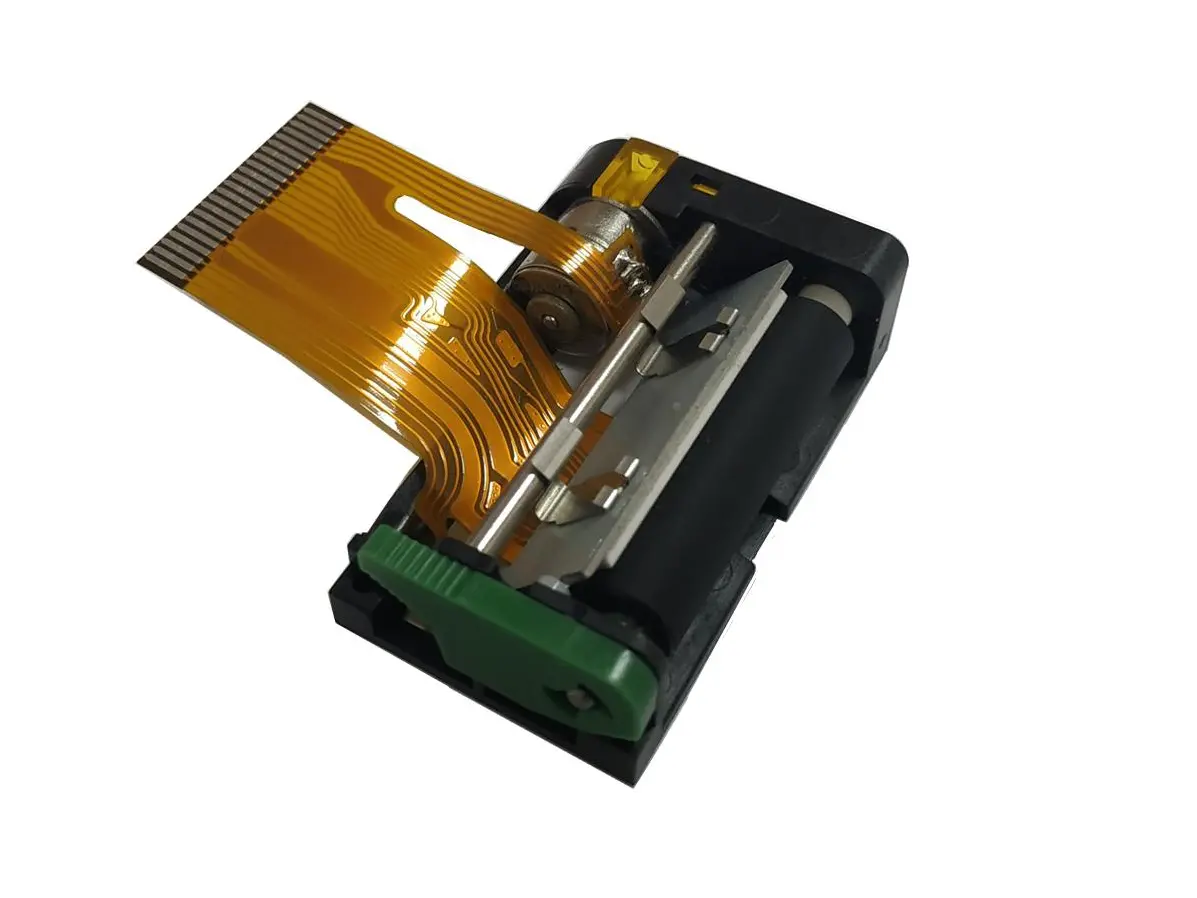 1 inch thermal printer mechanism
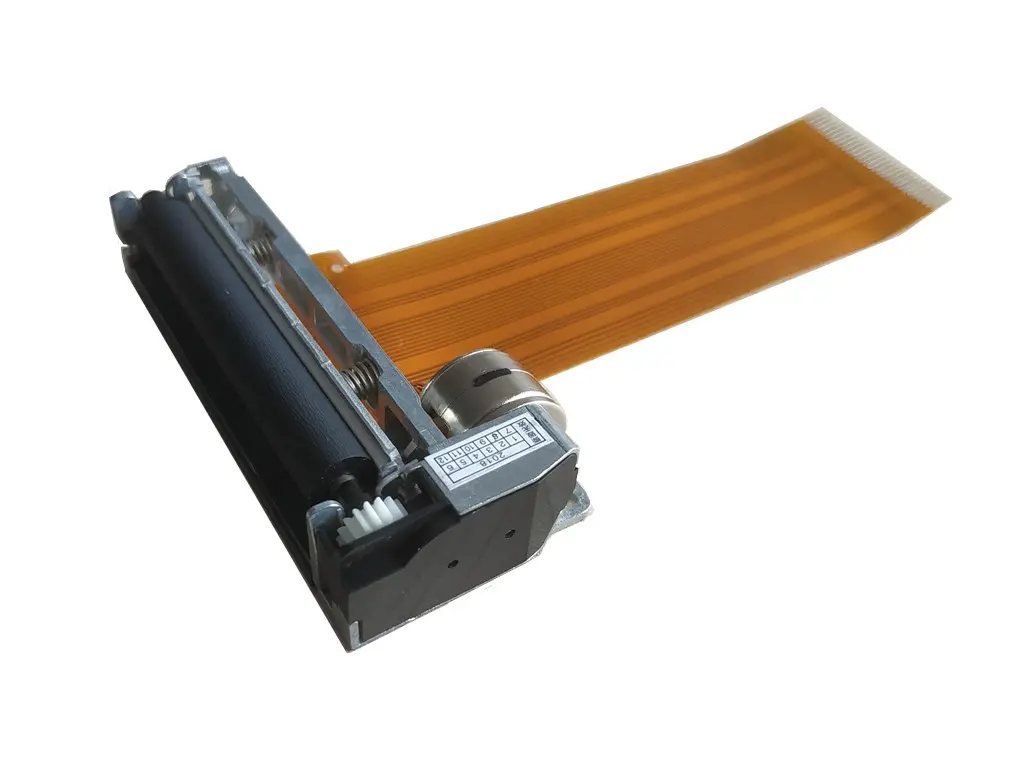 2 inch thermal printer mechanism
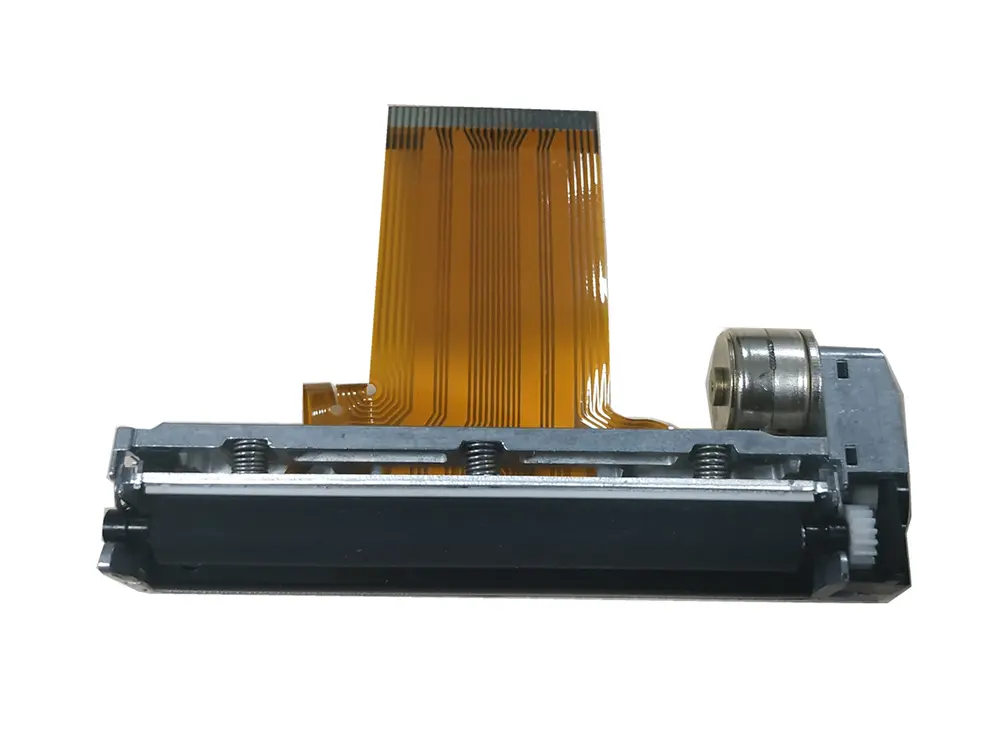 3 inch thermal printer mechanism
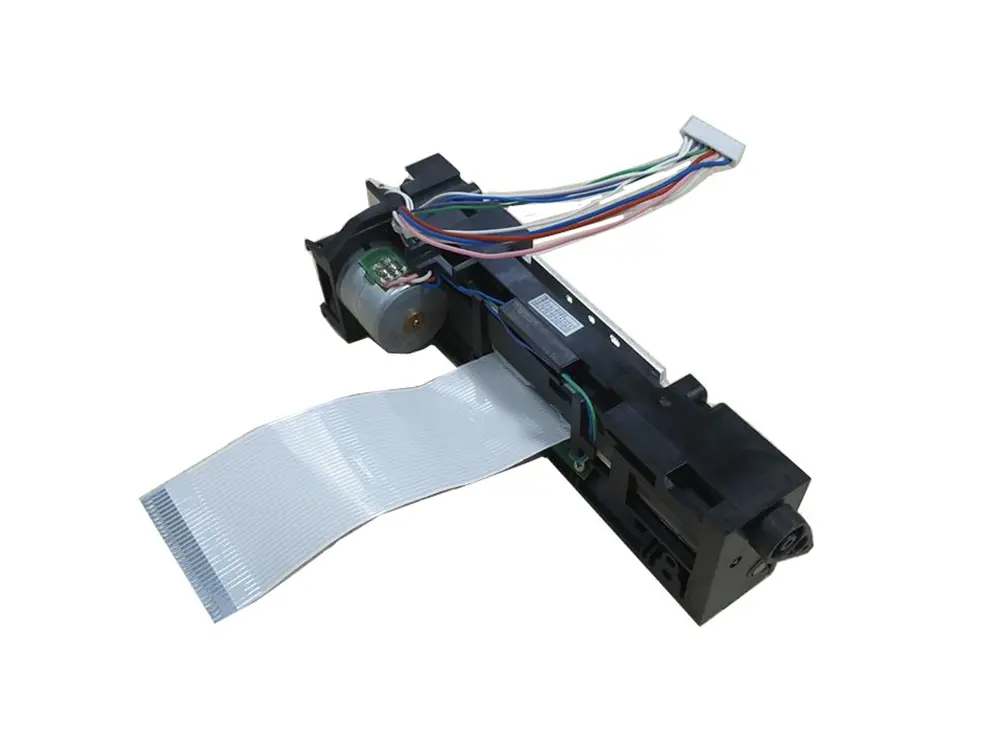 4 inch thermal printer mechanism
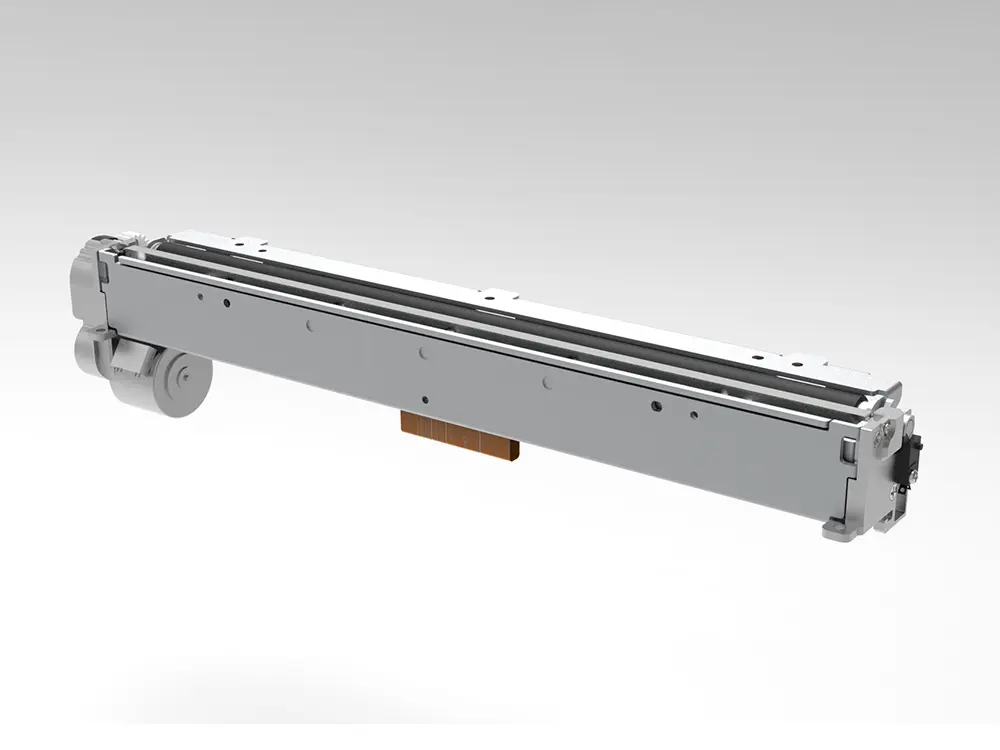 8 inch thermal printer mechanism
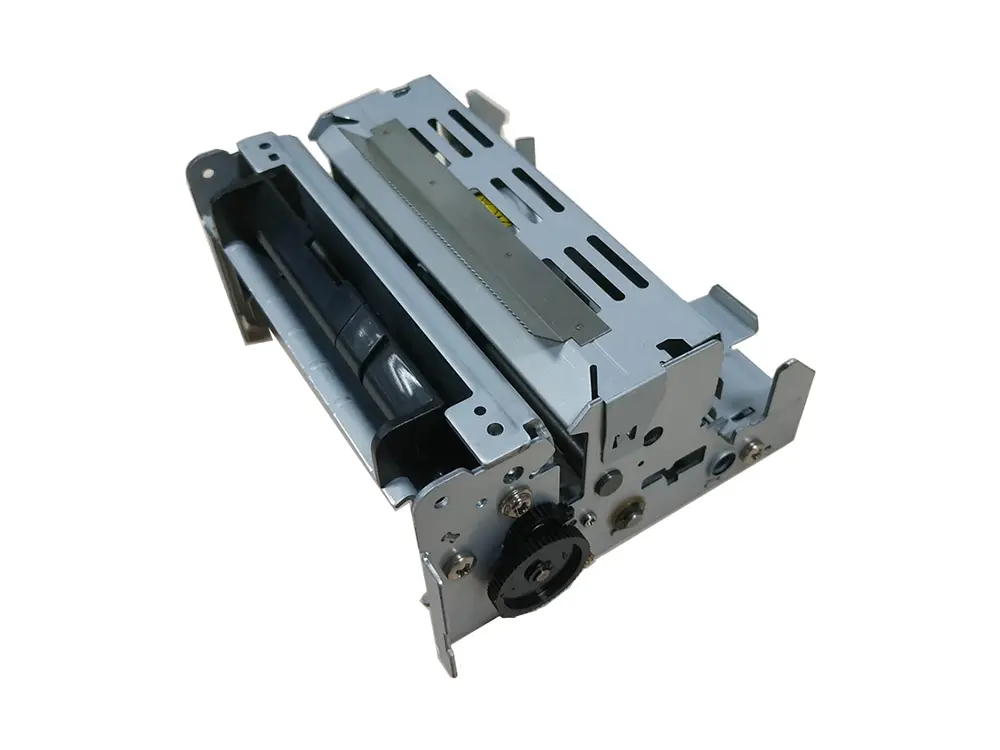 dot matrix printer mechanism
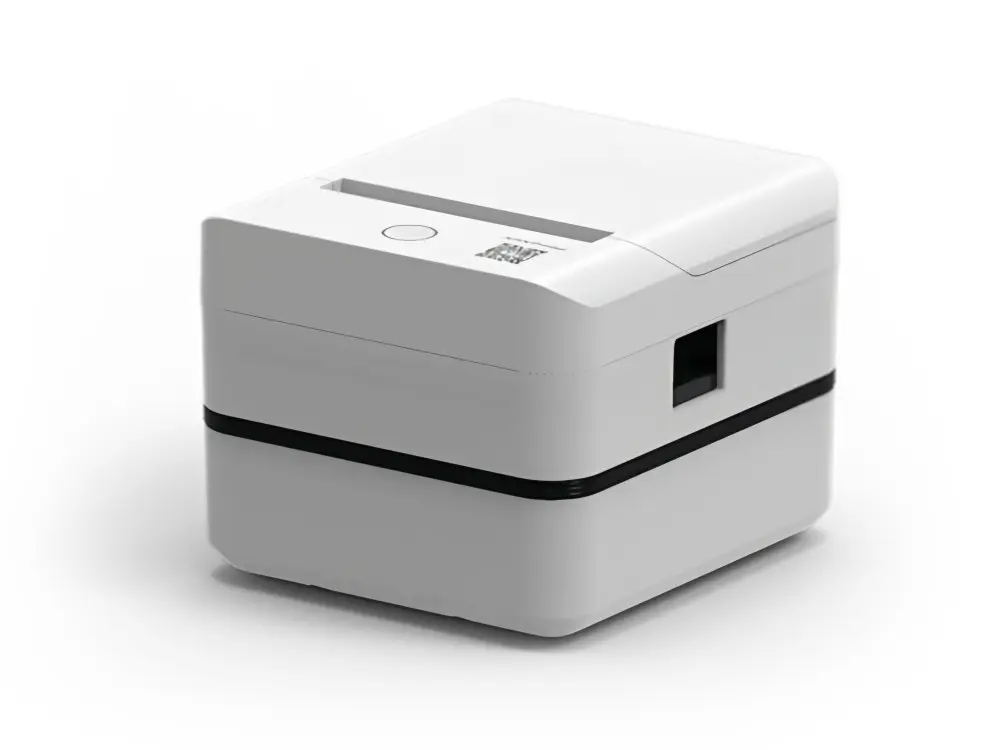 Label Printer
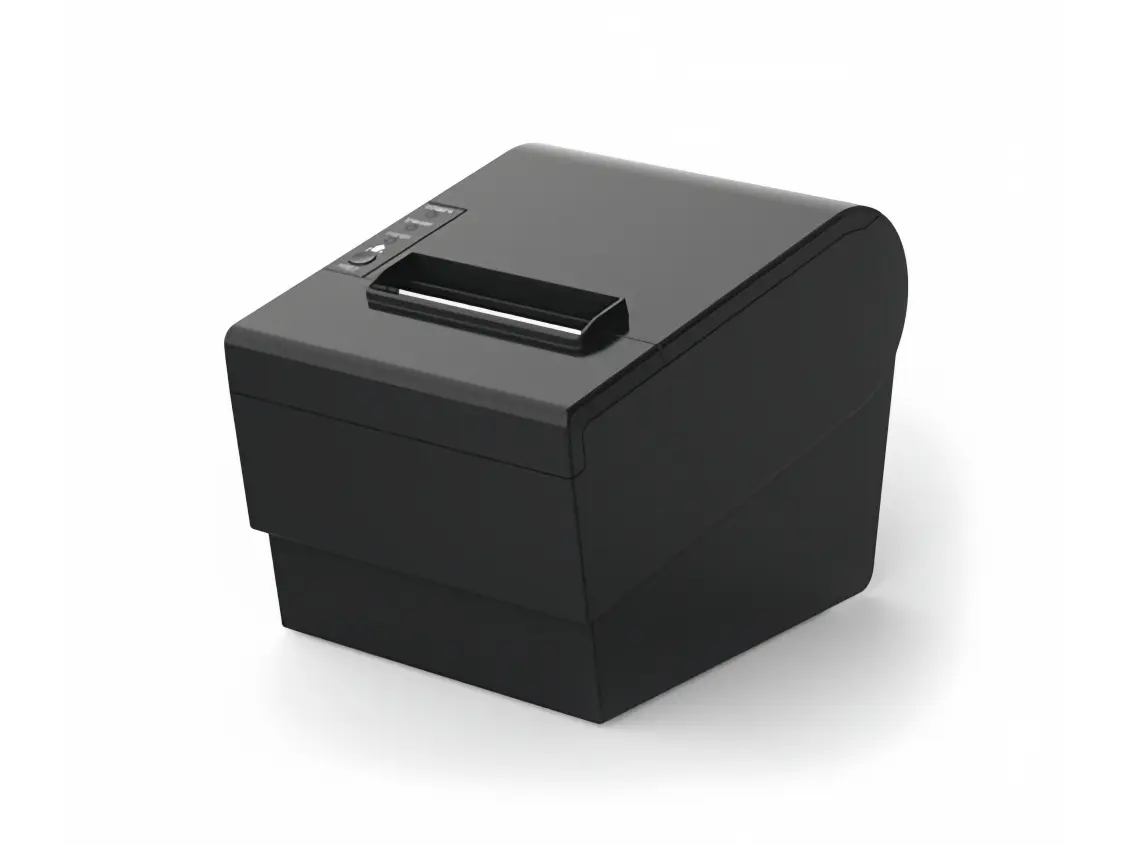 Receipt Printer
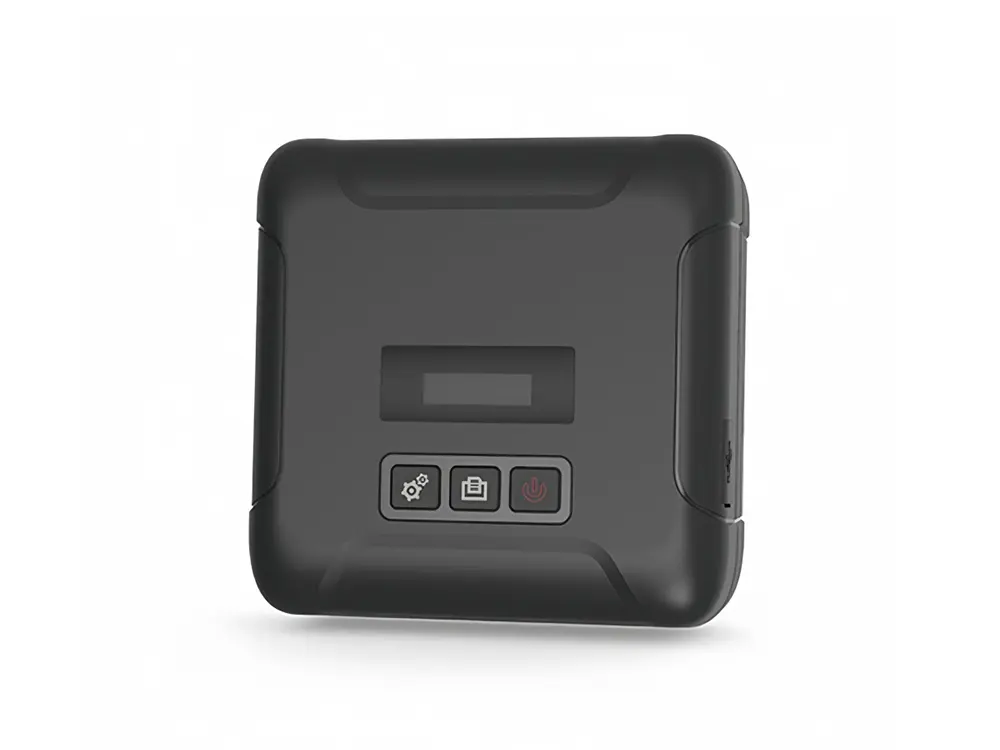 Mobile Printer